Home Charging or Public Charging Stations?
Compare home and public EV charging by speed, cost, convenience and daily use, and learn when each option makes sense.
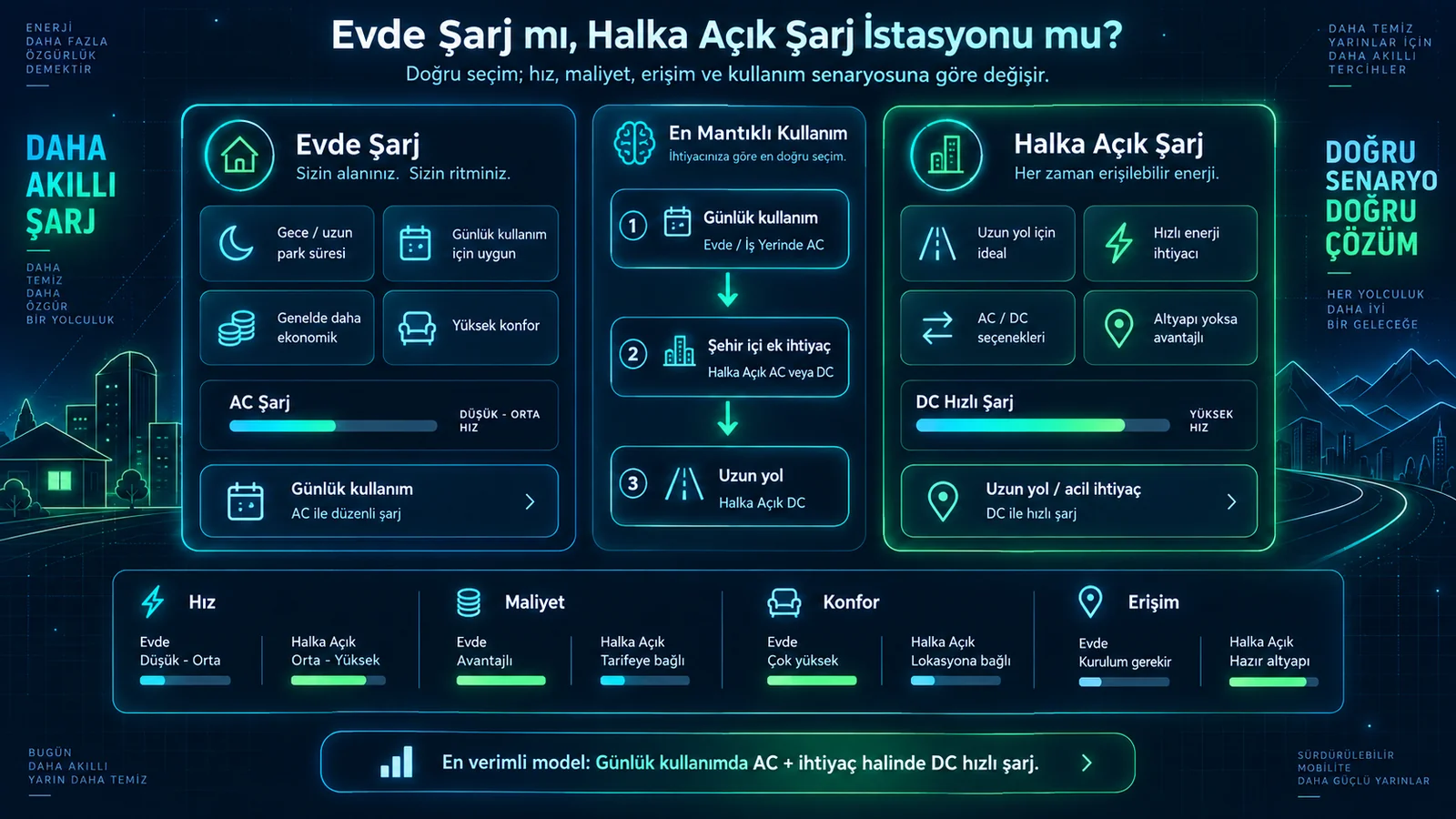
Table of contents
Home Charging or Public Charging Stations?
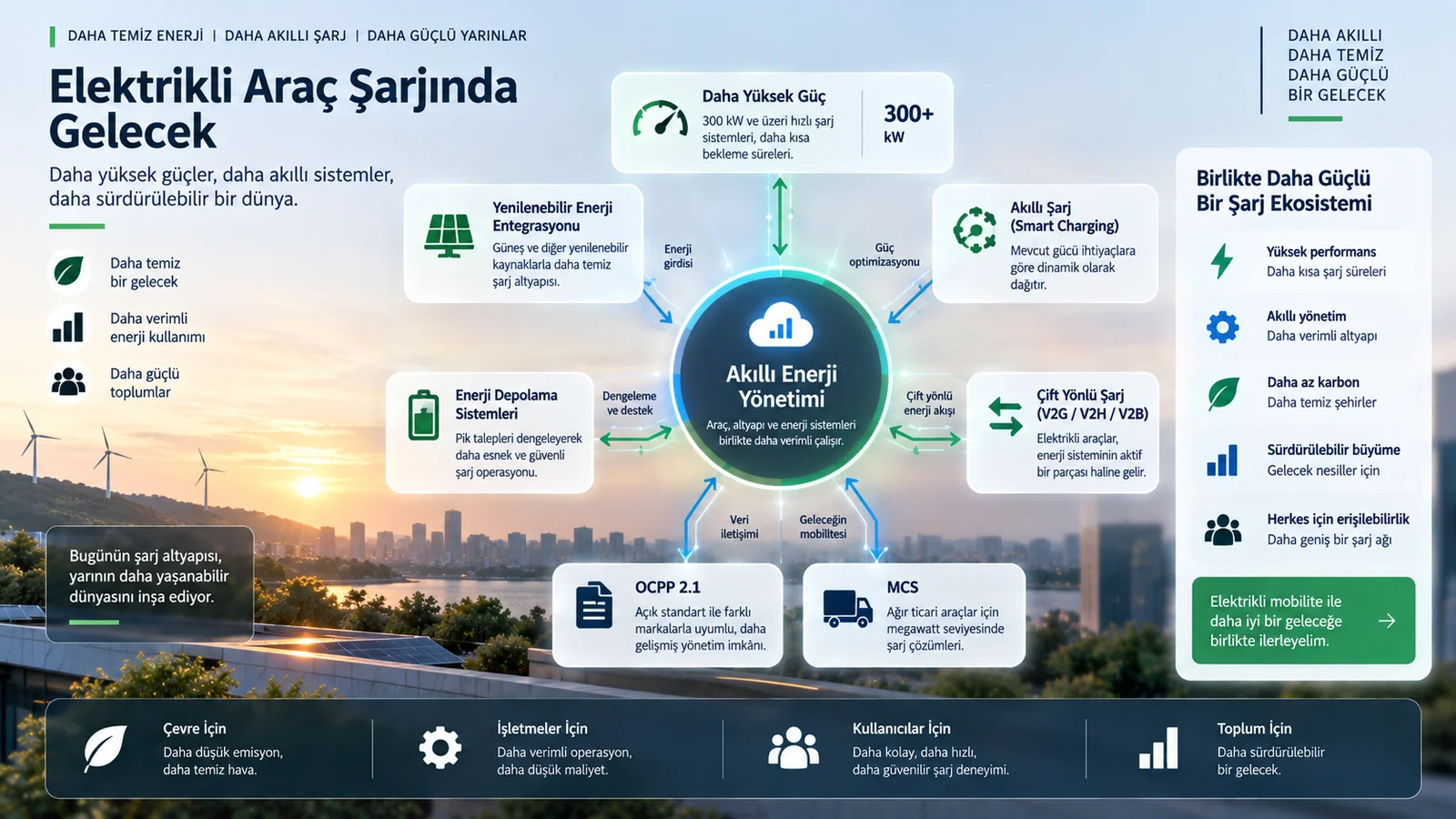
Should you charge your electric car at home or at a public station? For many drivers, the answer is both. Home or workplace AC charging can cover routine driving while the vehicle is parked. Public AC and DC stations provide access during trips, a faster top-up when time is limited, and an option for people without a suitable home parking space.
What counts as home and public charging?
At home, a car can charge through a suitable outlet and portable equipment or a professionally installed AC wallbox. The installation must match the building’s electrical capacity and protective systems. A fixed wallbox usually provides a more controlled solution for regular use.
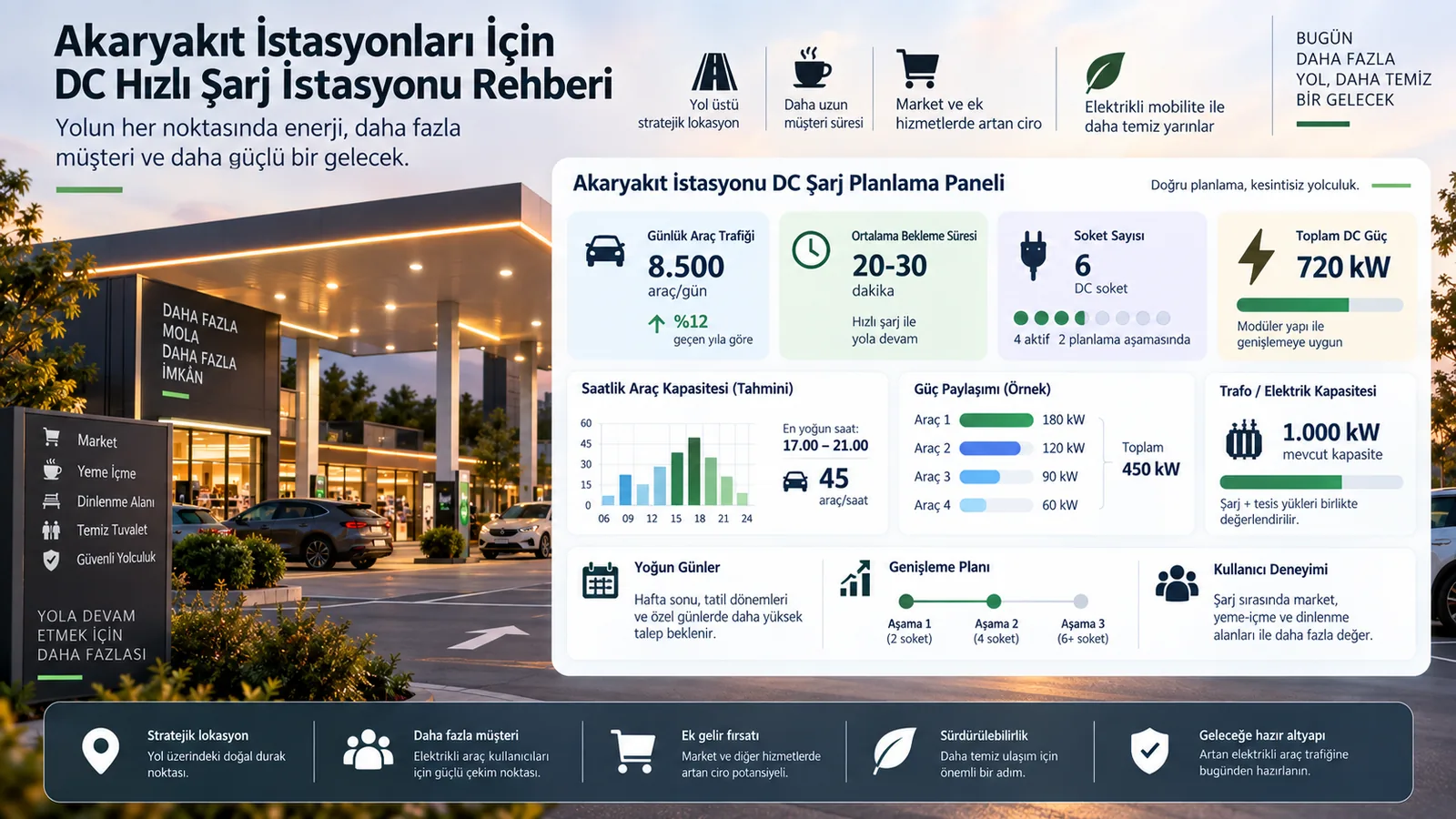
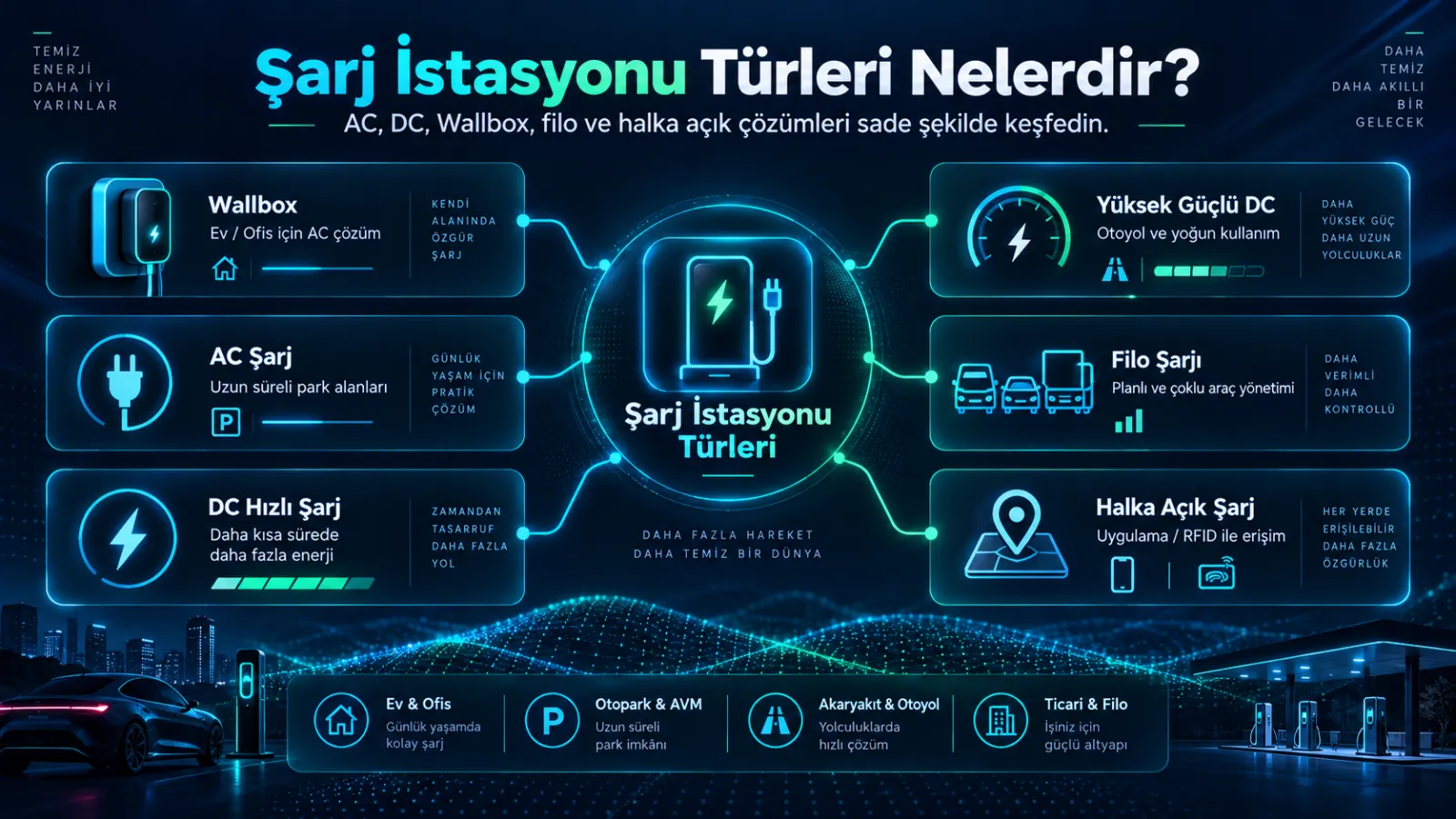
Public charging points can be found at shopping centres, car parks, fuel stations, motorway stops and other commercial locations. They may offer AC charging for longer stays or DC fast charging for shorter stops.
Why charge where the car is already parked?
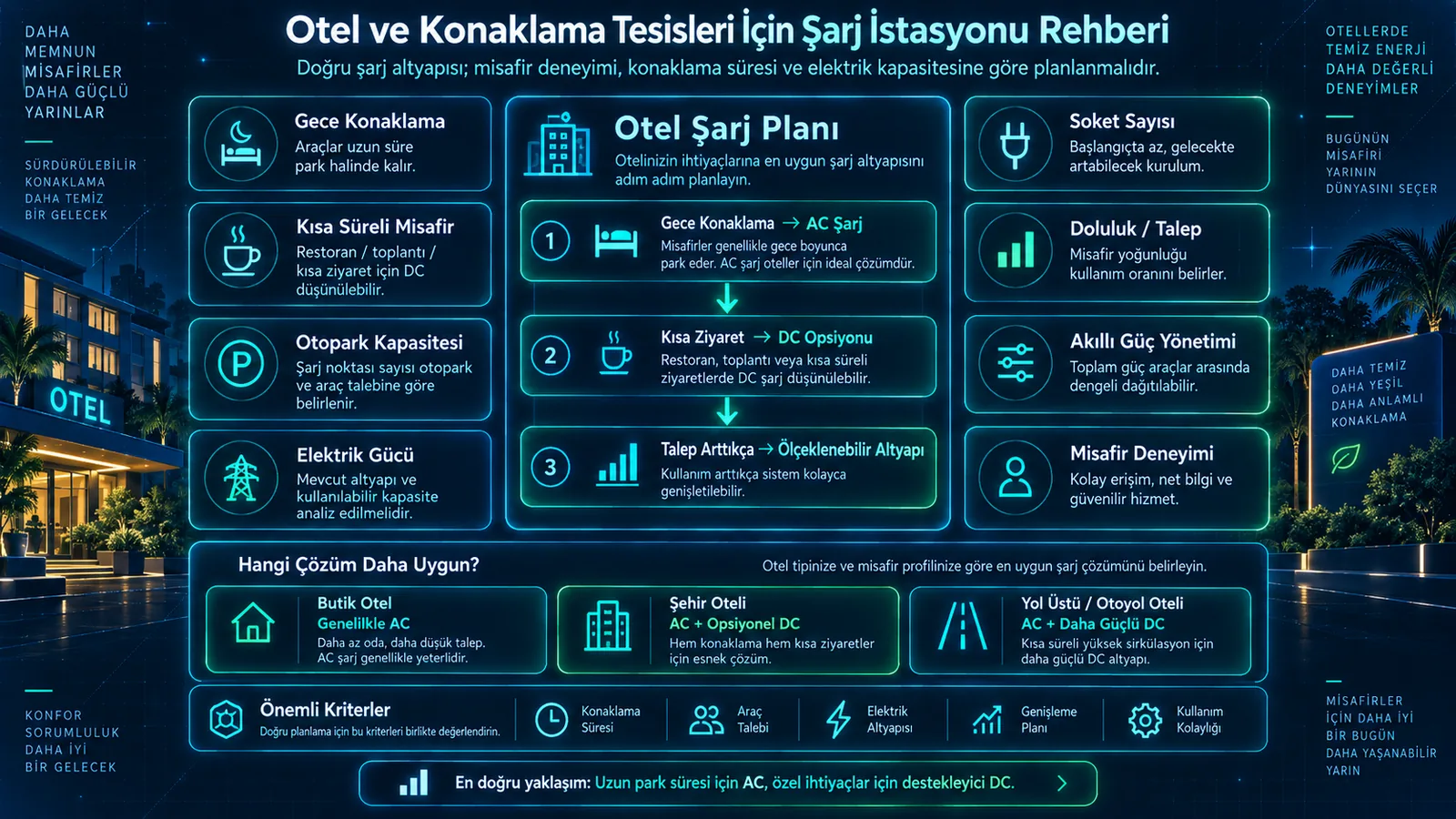
Imagine arriving home at 8 p.m. and leaving at 8 a.m. The car is parked for about 12 hours. Even moderate AC power can replenish a meaningful amount of energy during that time. Maximum charging speed is less important when the car will remain parked anyway.
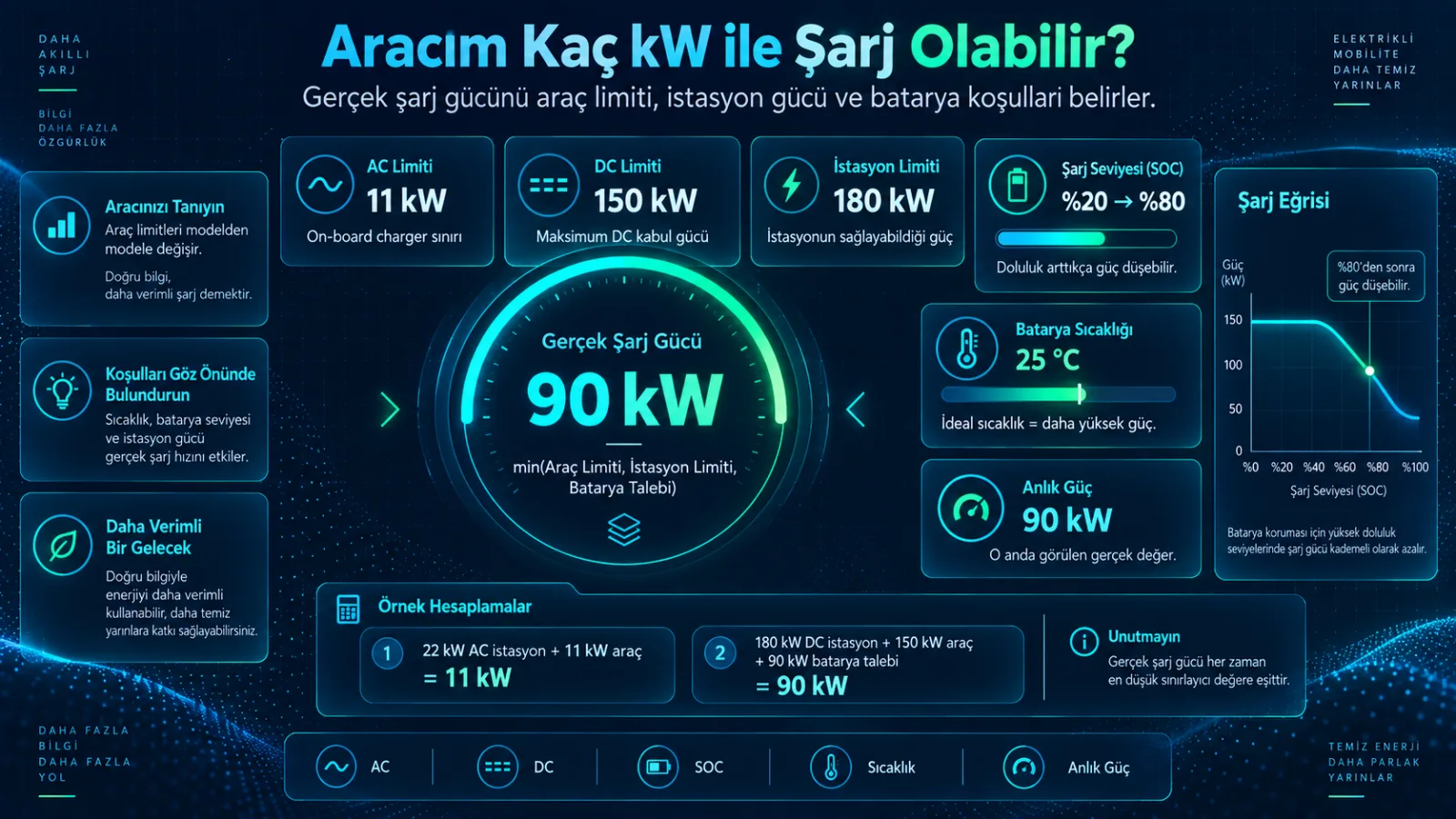
An AC installation might be rated at 3.7, 7.4, 11 or 22 kW, but the car’s onboard AC charger also limits the actual power. A car rated for 11 kW AC will not charge at 22 kW just because the wallbox supports it. Select equipment based on the vehicle, daily distance, parking time and available electrical capacity.
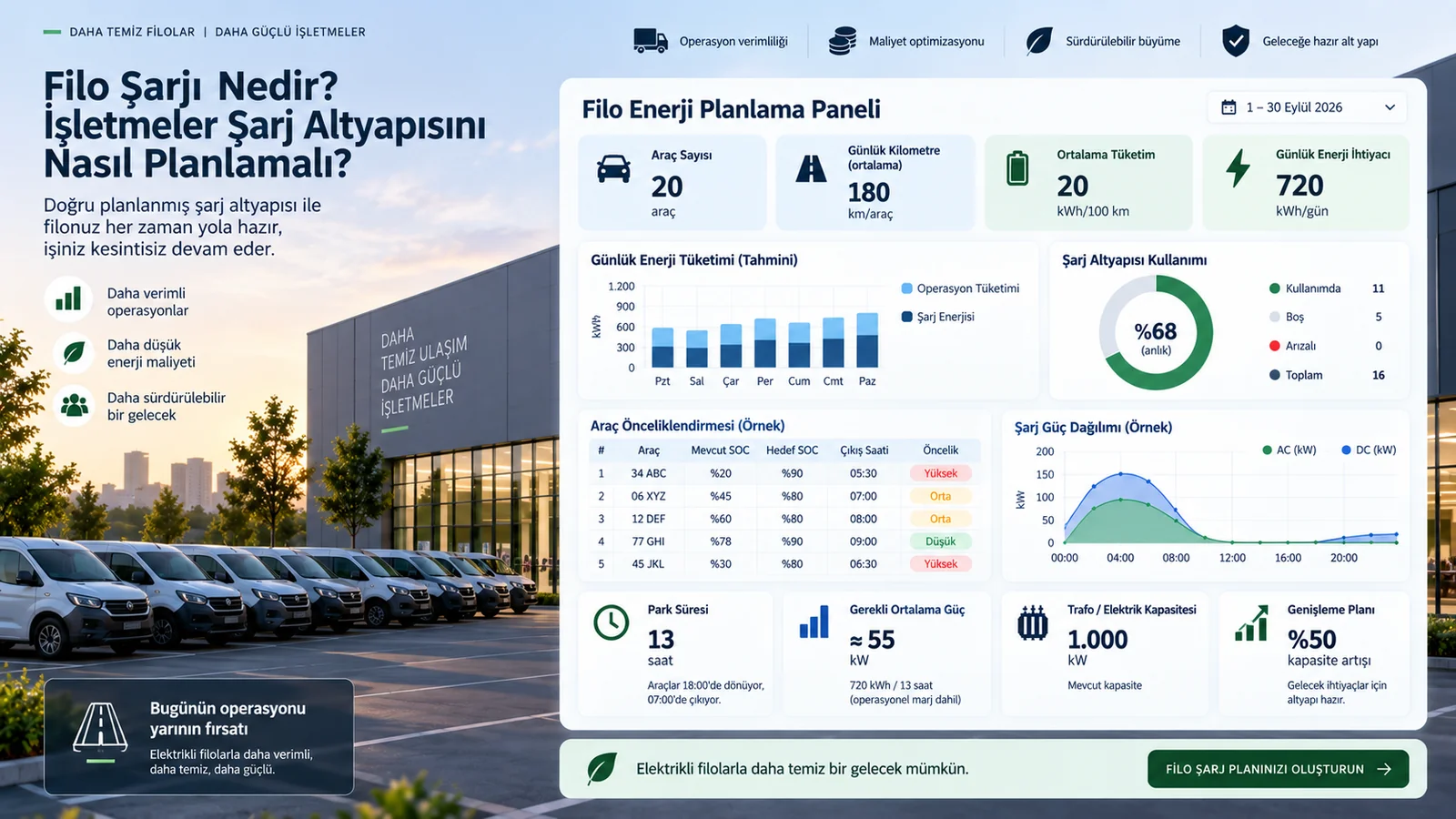
The same principle applies at work. An employee’s car may remain parked for roughly eight hours, making AC charging useful for staff parking and company fleets.
When does public charging help?
Public DC charging is particularly useful on long journeys, during intensive daily driving and when a short stop must provide substantial energy. A public station rated at 30–40, 60, 120, 180, 240 or 320 kW does not deliver its nameplate power to every car. The vehicle’s DC limit, state of charge, battery temperature and charging curve determine what it can accept.
Public AC is also useful where cars stay for hours, such as a hotel, workplace, shopping centre or car park. Four hours at 11 kW would theoretically transfer 44 kWh; actual energy can be lower because of vehicle limits, charging losses and other conditions.
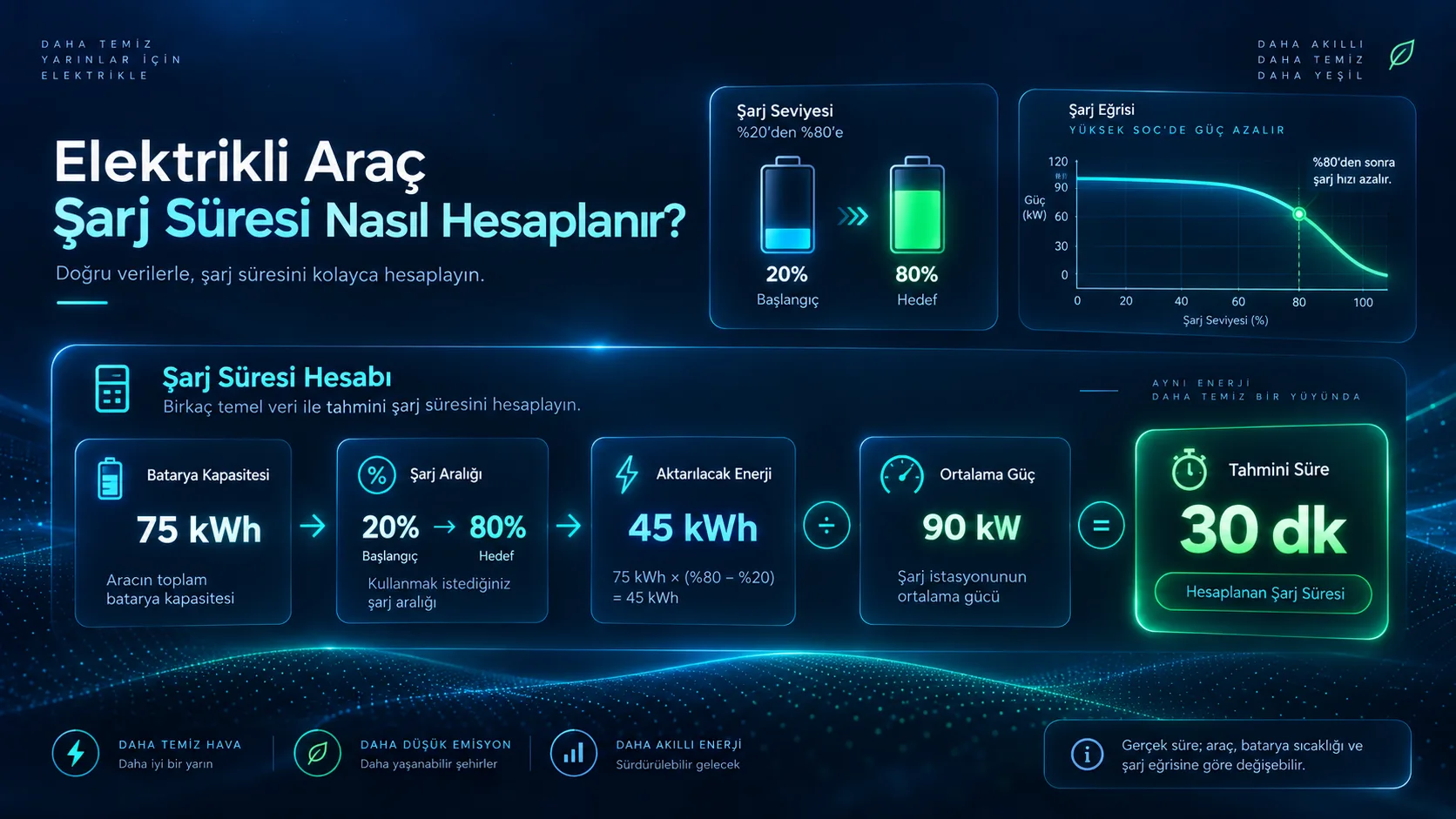
For a short DC stop, suppose a car needs 40 kWh between 20% and 80% state of charge and averages 80 kW. The simple estimate is 40 ÷ 80 = 0.5 hours, or about 30 minutes. A real session may take longer because charging power changes as the battery fills.
How much daily energy do you need?
Use the car’s consumption and your daily distance as a starting point. At 18 kWh/100 km, a 40 km day needs approximately 7.2 kWh. A 50 km day needs approximately 9 kWh. In ideal conditions, 9 kWh at 11 kW takes roughly 49 minutes; charging losses make the real time longer. These figures show why a very high-power home installation is not automatically necessary.
You do not have to fill the battery to 100% every night. A lower daily charge limit may be enough if you use only a portion of the battery each day. Follow the vehicle manufacturer’s guidance on charge limits and adjust before a longer journey.
Which option costs less?
Home charging can often have a lower energy cost than public fast charging, but there is no universal price difference. Your home electricity tariff, time of use, energy delivered and charging losses matter. Public AC and DC operators set their own tariffs for a commercial charging service.
A starting calculation is energy consumed × unit price. Compare current home, public AC and public DC tariffs for your own usage. The time saved at a faster public charger may also be valuable.
What if you live in an apartment?
Home charging may be difficult without a private parking space or sufficient building capacity. Before installing equipment, assess the electrical system, available power, metering, cable route, protection and applicable requirements. Where several residents charge at once, load management becomes important.
For example, ten cars drawing 11 kW each could demand 110 kW at the same time. A managed system can distribute the building’s available power, reduce individual charging rates or schedule sessions rather than assuming the building can supply the full sum continuously.
If home charging is unavailable, you can combine workplace charging, public AC during regular parking stops and DC fast charging when needed. Look for opportunities to charge where the car is already parked.
Does frequent DC charging damage the battery?
Modern battery-management systems monitor temperature, voltage, current and state of charge and can reduce power when needed. High-power charging may create more thermal stress than AC charging, but battery ageing also depends on temperature, frequency of use, time spent at a high state of charge and other conditions. It cannot be judged from the presence of DC charging alone.
Home and public charging compared
| Consideration | Home charging | Public charging |
|---|---|---|
| Typical technology | AC | AC or DC |
| Best time to use it | Overnight or during long parking periods | While travelling or when additional energy is needed |
| Speed | Usually low to moderate | From low to very high |
| Convenience | High when a suitable parking space exists | Depends on location and availability |
| Equipment at your property | Requires a suitable installation | Not required |
| Long-distance travel | Limited | Particularly useful with DC fast charging |
For many drivers, a practical routine is AC charging at home or work for daily use and DC fast charging for travel or time-sensitive top-ups. Choose according to where the car parks, how long it remains there and how much energy you actually need.
About the author
Charge Teknoloji
Charging Infrastructure Team
Charge Teknoloji develops locally manufactured DC charging stations and OCPP-compatible charging network software.
LinkedIn arrow_outwardBe the first to hear about updates
Follow new content on electric vehicles and charging technologies.