The Future of EV Charging: Higher Power and Smarter Systems
Explore higher-power and 800 V charging, MCS, smart load management, storage, bidirectional energy, OCPP, ISO 15118 and Plug & Charge.
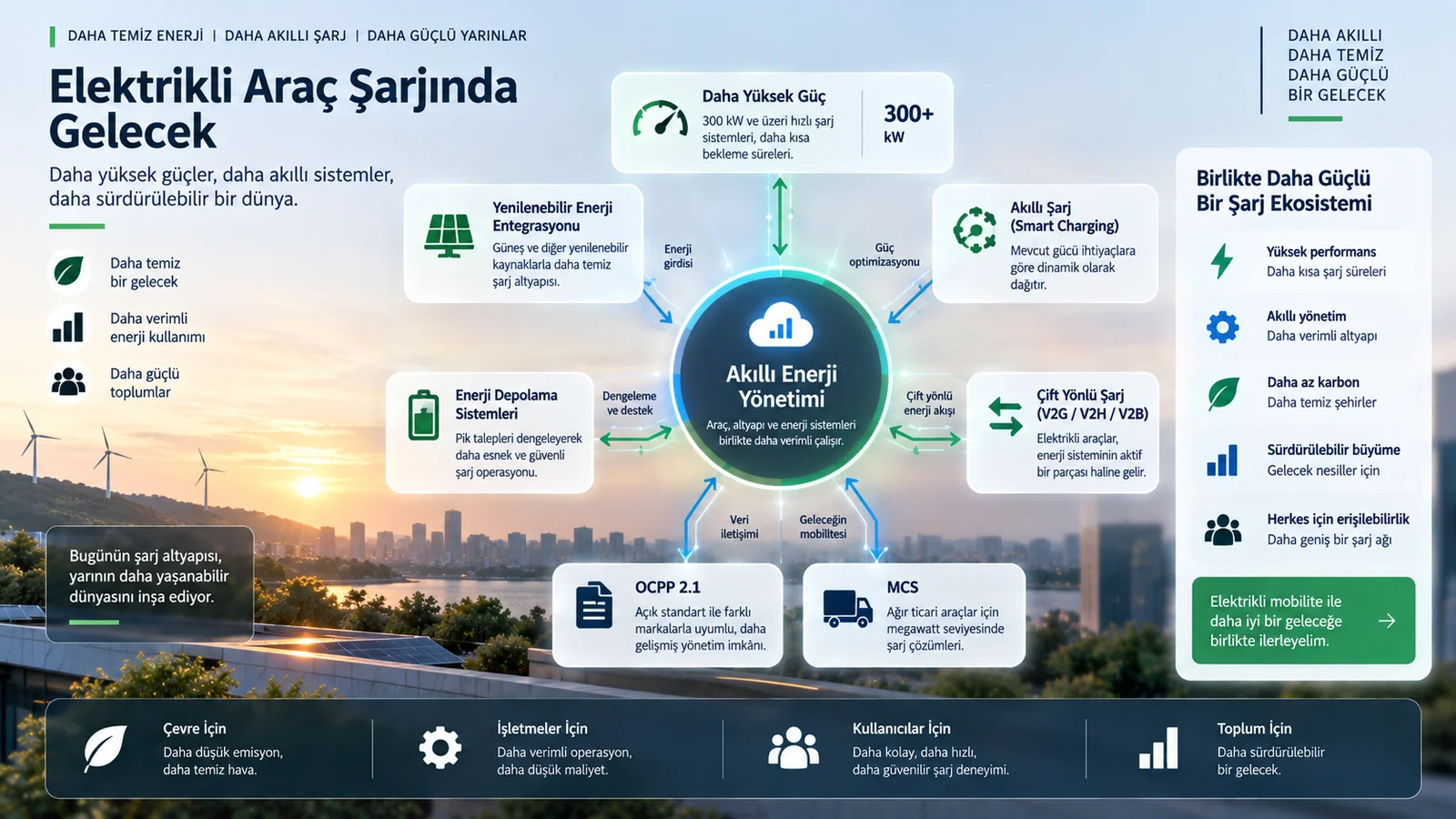
Table of contents
The Future of EV Charging: Higher Power and Smarter Systems
EV charging is developing in two directions at once: higher power for vehicles that need a short stop, and smarter control of limited electrical capacity. The future is not simply a race to install the charger with the largest kW rating. Vehicles, chargers, buildings and the grid must work together.
What does higher power change?
For a car needing 40 kWh, ideal times at constant average power would be:
| Average charging power | Theoretical time for 40 kWh |
|---|---|
| 50 kW | 48 minutes |
| 100 kW | 24 minutes |
| 200 kW | 12 minutes |
| 300 kW | 8 minutes |
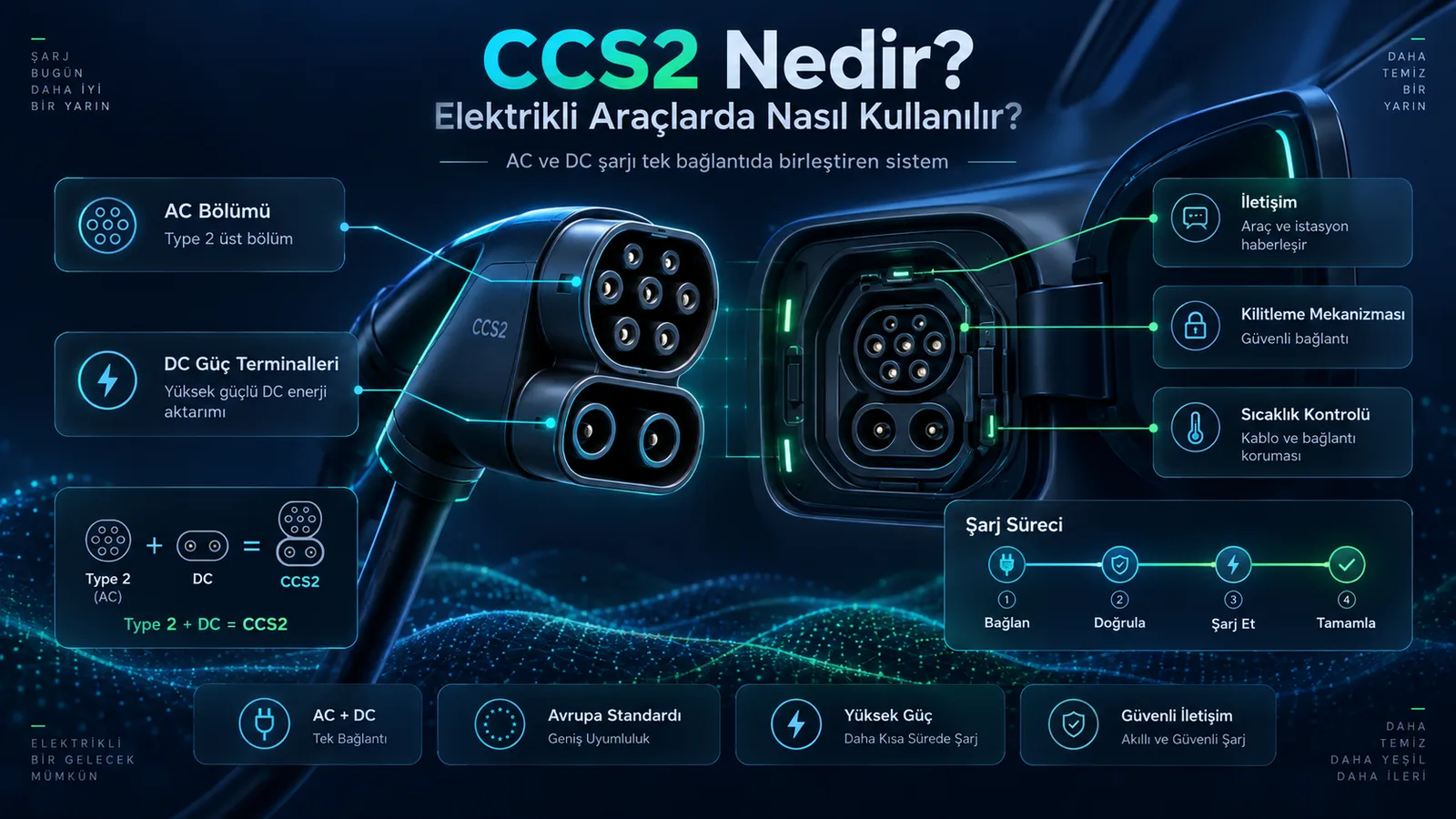
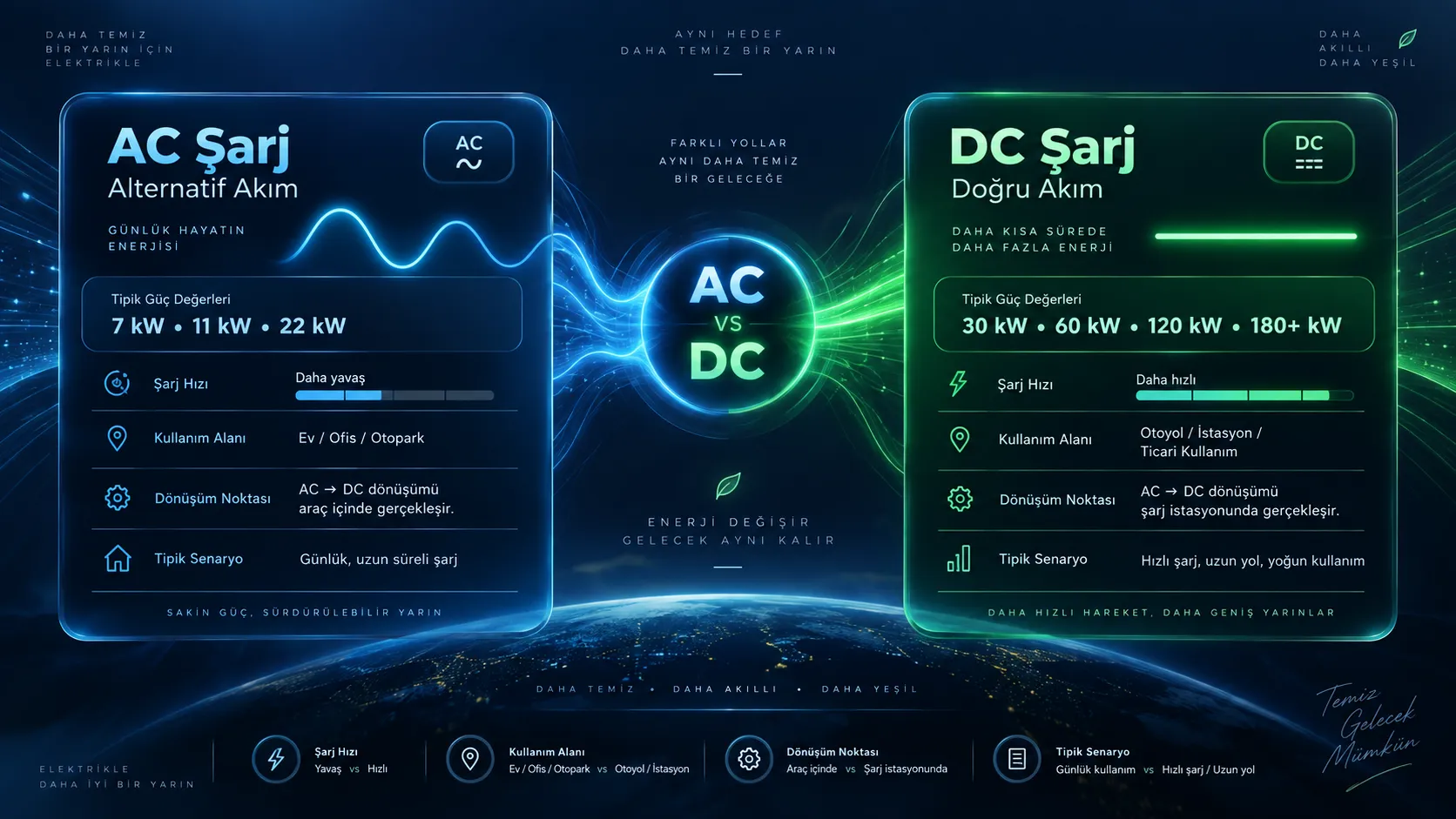
Actual sessions may take longer because power changes with battery SOC, temperature and vehicle limits. A 300 kW station does not make every car charge at 300 kW. Higher-voltage vehicle architectures, including 800 V designs, can support high charging power while managing current, but the complete vehicle, cable and charger system must be compatible.
For heavy vehicles, megawatt charging systems (MCS) are being developed for much larger energy needs. Higher power brings engineering challenges: grid connection, heat, cooling, cabling, safety, installation cost and site layout all become more demanding.
Share the power a site actually has
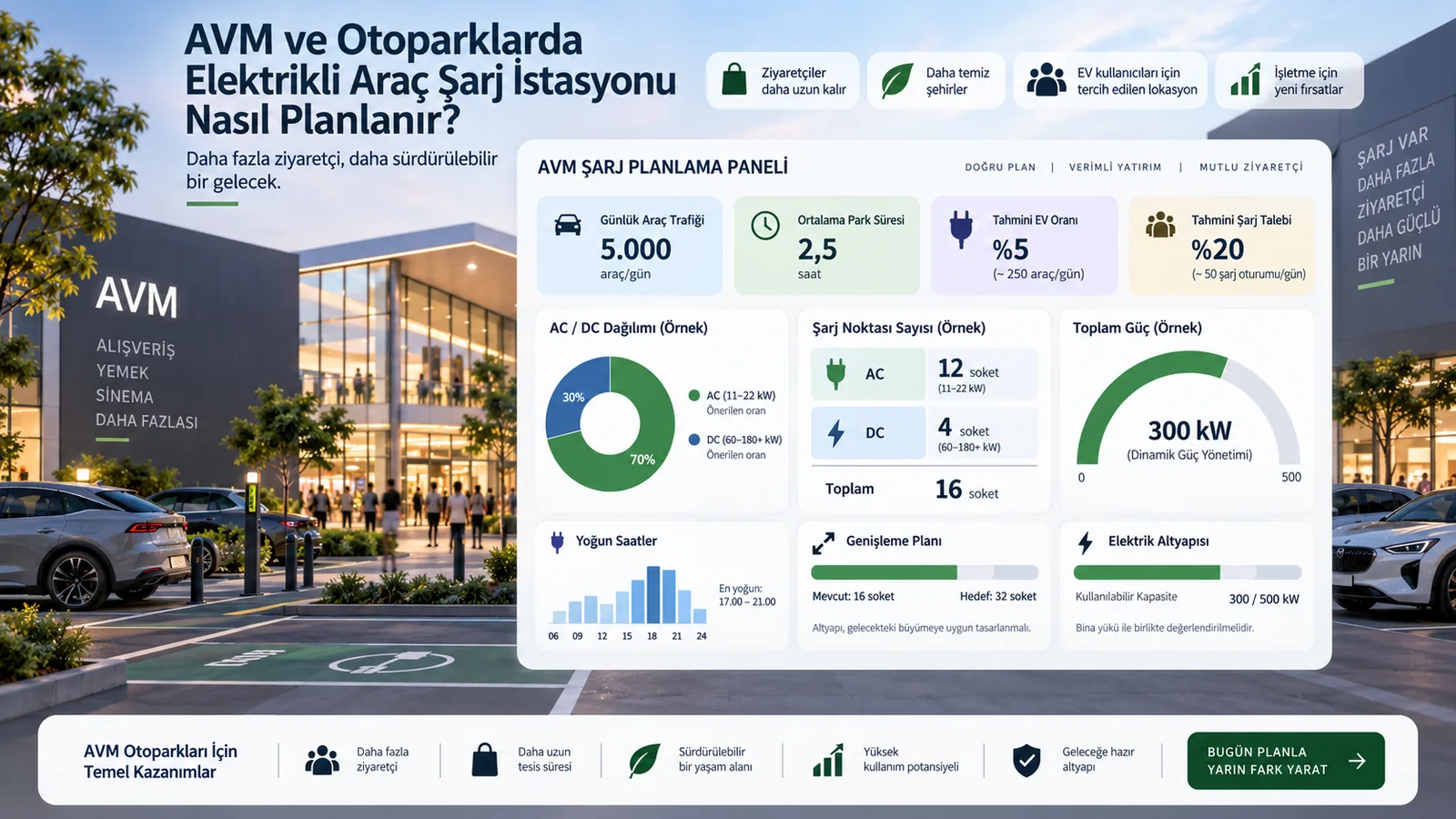
A hub with ten 180 kW connectors has 1,800 kW of summed nameplate capacity, but the cars will rarely all request their peak at once. Their batteries may be at different charge levels and able to accept different powers. Dynamic power sharing can allocate available capacity according to real-time demand and operational priorities.
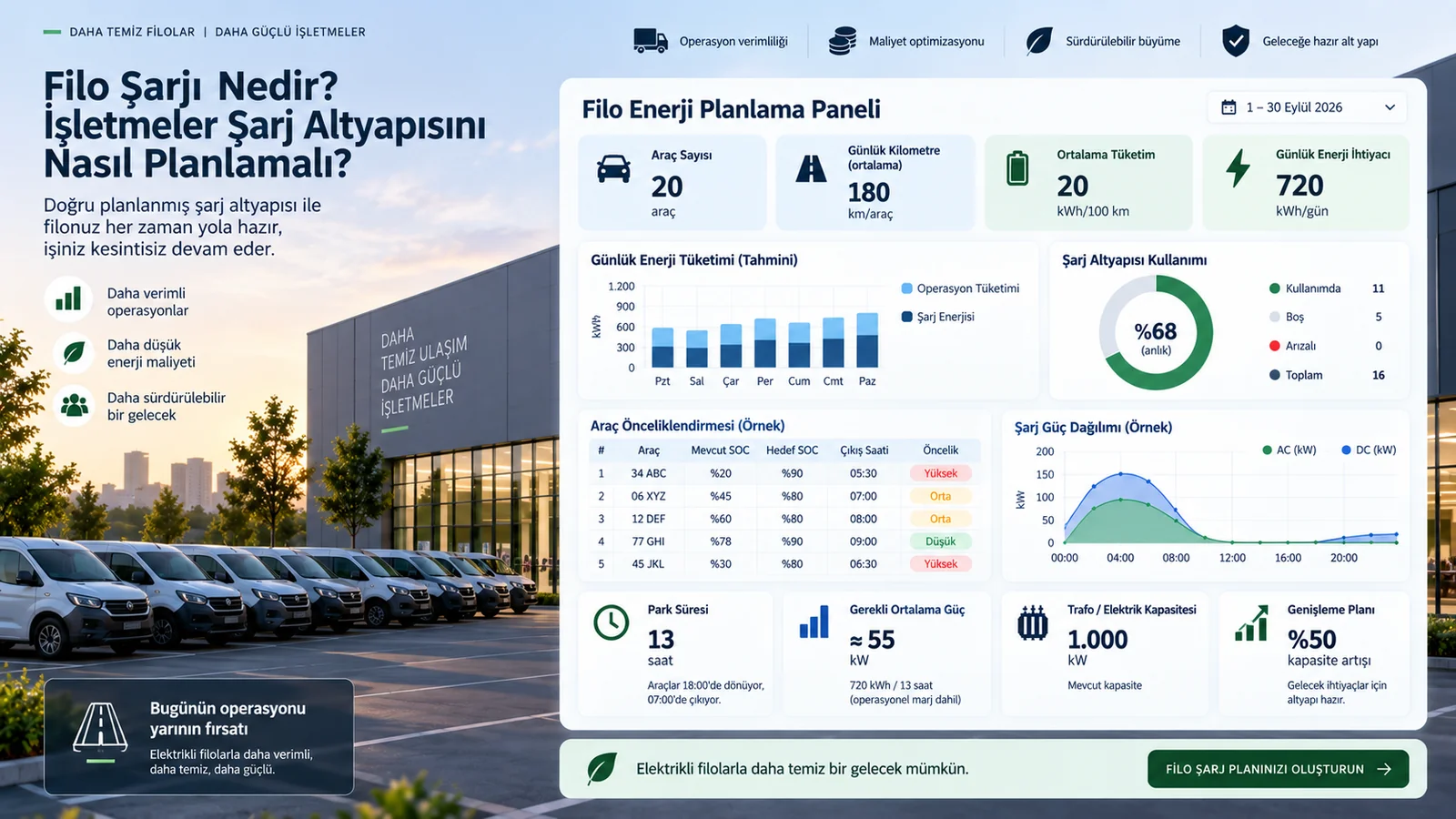
The same logic applies to overnight charging. Twenty 22 kW AC points total 440 kW on paper. If the fleet needs only 800 kWh over ten hours, its ideal average requirement is 80 kW, before losses and scheduling margins. The task is to deliver energy by departure, not to run all sockets at maximum power.
Smart charging can coordinate vehicle demand with a building’s other loads. When air conditioning or production equipment draws more electricity, charger power can be reduced temporarily. A battery energy-storage system might also cover short peaks: if a hub needs 800 kW while its grid connection supplies 500 kW, storage could theoretically contribute the 300 kW difference for a limited period, provided its power, energy capacity and economics support that use.
Solar generation, stationary storage and charging may eventually be managed as one local energy system. This does not eliminate the need for engineering, network approvals and a realistic operating model.
Could a vehicle send energy back?
V2G (Vehicle-to-Grid) means a compatible vehicle can send energy toward the grid. V2H refers to a home and V2B to a building. These are possible only when the vehicle, bidirectional charger, electrical installation and relevant operating framework support the function. They could help balance supply and demand or support selected loads, but should not be assumed available in an ordinary charging installation.
How do standards support smarter charging?
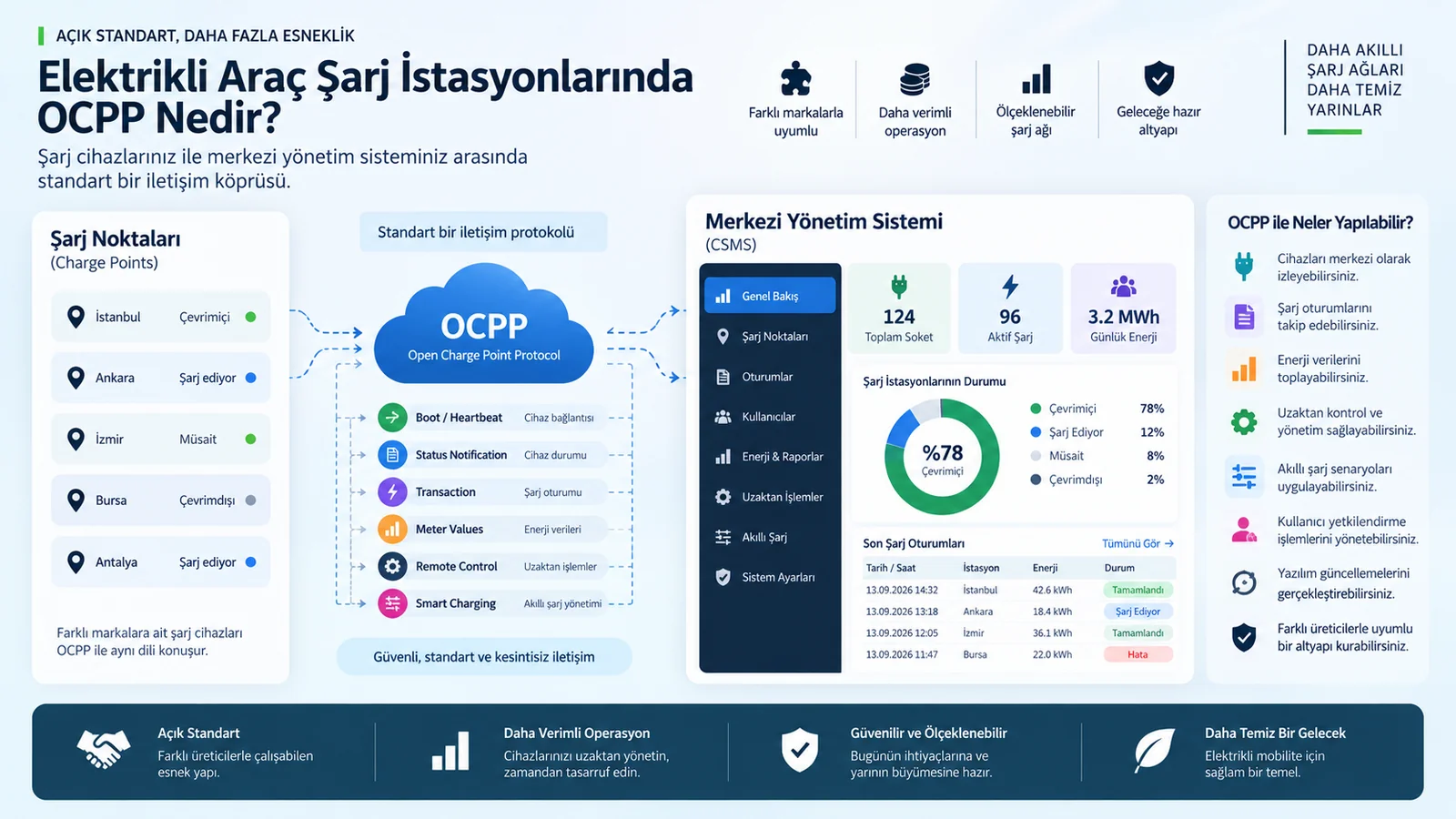
OCPP connects chargers with central management systems. Newer versions extend device management and smart-charging capabilities; OCPP 2.1 adds functions relevant to ISO 15118-20, bidirectional energy and distributed energy resources. ISO 15118 addresses communication between the vehicle and charging equipment, which is a different link from OCPP’s charger-to-management communication.
Plug & Charge aims to let a compatible car identify and authorize itself after the cable is connected, reducing the need to open an app, scan a QR code or use an RFID card. It requires compatible vehicles, chargers and service arrangements. Apps and cards may continue alongside it for other users and payment models.
Data can also help predict demand and identify potential faults before a charger becomes unavailable. Such tools are useful only when sensors, integration, maintenance and customer support work in practice.
What should a business invest in now?
Assess likely vehicle types, parking duration, traffic, connector count, site power and growth. A shared power cabinet feeding several connectors may serve more drivers than one very high-power outlet. Leave space and electrical routes for expansion, choose equipment that can be monitored and integrated, and test it with the intended management platform.
The most useful future-ready site will not simply advertise the highest rating. It will reliably deliver the right energy to each vehicle at the right time while respecting its electrical limits.
About the author
Charge Teknoloji
Charging Infrastructure Team
Charge Teknoloji develops locally manufactured DC charging stations and OCPP-compatible charging network software.
LinkedIn arrow_outwardBe the first to hear about updates
Follow new content on electric vehicles and charging technologies.