What Is the Difference Between AC and DC Charging?
Learn what AC and DC charging mean for electric vehicles, how each works, how their speeds differ, and when to choose one over the other.
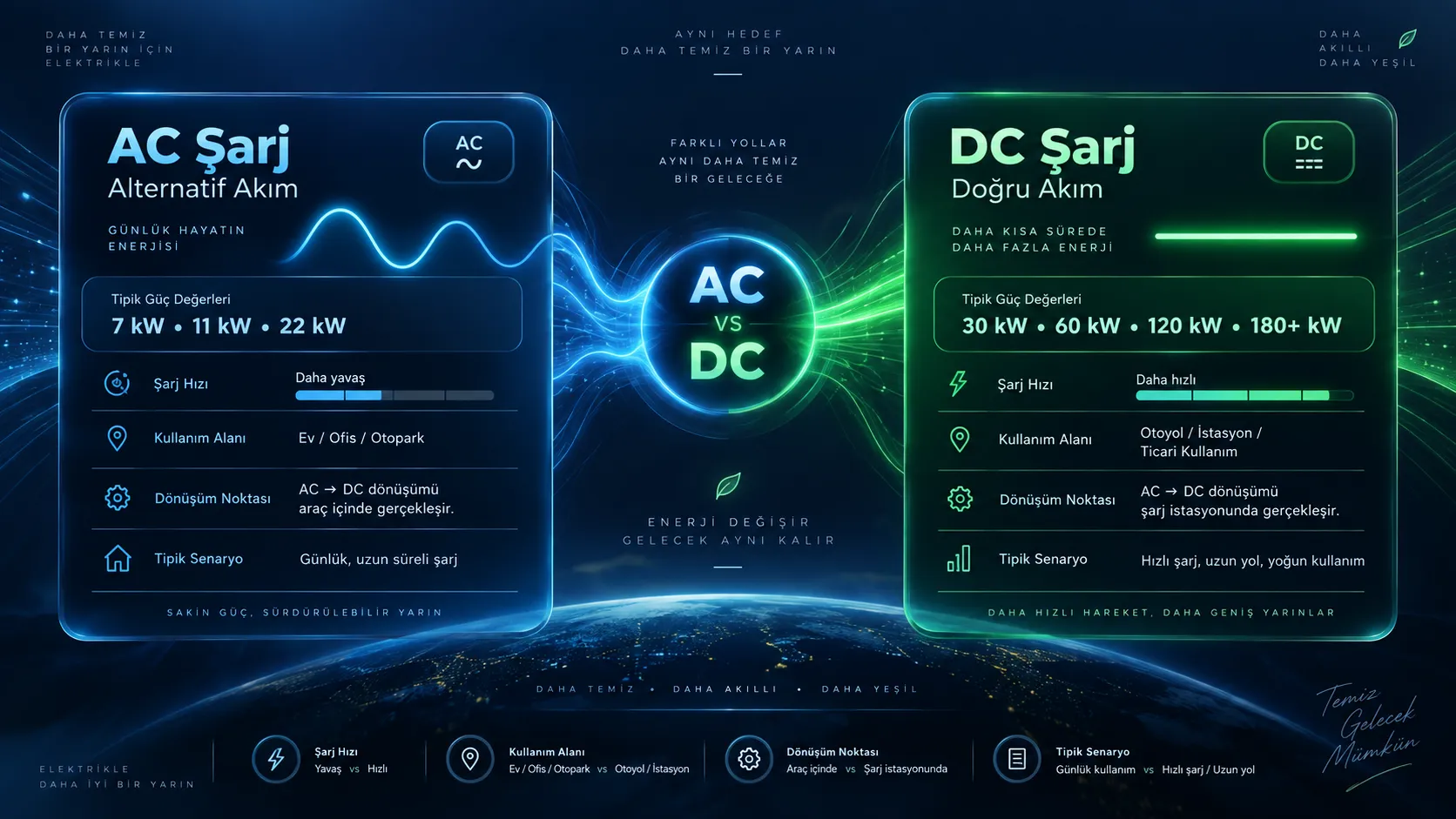
Table of contents
What Is the Difference Between AC and DC Charging?
AC and DC charging are two of the most common terms in electric mobility. Both charge an EV battery, but they differ in how they work, the power they can deliver, where they are used and what electrical infrastructure they require.
There is no universal answer to “Is AC or DC better?” The right choice depends on the vehicle, its parking time, the site’s electrical capacity and the charging need.
What do AC and DC mean?
AC means alternating current. Electricity supplied by the grid is generally AC. DC means direct current, the form in which EV batteries store energy.
Grid electricity therefore needs to be converted from AC to DC before it can be stored in the battery. The key difference between the two charging methods is where that conversion happens.
How does AC charging work?
An AC charging station supplies alternating current to the vehicle. The vehicle’s onboard charger then converts it into DC.
In simple terms:
Electrical grid → AC charging station → onboard charger → battery
The onboard charger’s capacity limits AC charging power. For example, a 22 kW AC station cannot make a vehicle that supports only 11 kW AC charge at 22 kW. That vehicle will generally charge at around 11 kW.
How does DC charging work?
With DC fast charging, the conversion takes place inside the station. Its power electronics and modules turn AC from the grid into DC before delivering energy to the vehicle’s battery system.
The simplified path is:
Electrical grid → DC charging station → vehicle battery
Because the vehicle’s onboard AC charger is bypassed, DC systems can support considerably higher charging power.
Key differences between AC and DC charging
| Feature | AC charging | DC charging |
|---|---|---|
| Power supplied to the vehicle | Alternating current | Direct current |
| Location of AC/DC conversion | Inside the vehicle | Inside the station |
| Typical charging power | Generally lower | Generally higher |
| Typical charging time | Longer | Shorter |
| Installation cost | Generally lower | Generally higher |
| Electrical infrastructure need | Generally lower | Generally higher |
| Typical use | Longer parking stays | Shorter stops and faster charging |
| Common locations | Homes, workplaces, hotels, car parks | Highways, fuel stations, commercial sites |
Rather than treating them as interchangeable competitors, it is more useful to see AC and DC as solutions for different needs.
How fast is AC charging?
Common AC station ratings include 3.7, 7.4, 11 and 22 kW. Actual charging power still depends on the vehicle.
Three vehicles plugged into the same 22 kW station may accept no more than 7.4, 11 and 22 kW respectively. Their charging times will therefore differ even though the station is the same.
How fast is DC charging?
DC stations cover a much wider range, from roughly 30–40 kW to several hundred kilowatts depending on the application. The station’s maximum rating is not the same as the power a vehicle actually receives.
If a vehicle requests only 75 kW at a particular moment while connected to a 180 kW station, the station will not try to deliver 180 kW. Vehicle and station communicate continuously, and energy is transferred within the vehicle’s requested limits.
Why can DC charging be faster?
One reason is that conversion happens outside the vehicle. The size, cooling capacity and cost of an onboard charger constrain AC charging power.
A DC station can use larger power electronics, multiple power modules, active cooling, cables designed for higher current and more advanced control systems. This allows it to operate at much higher power levels.
Is DC charging always faster?
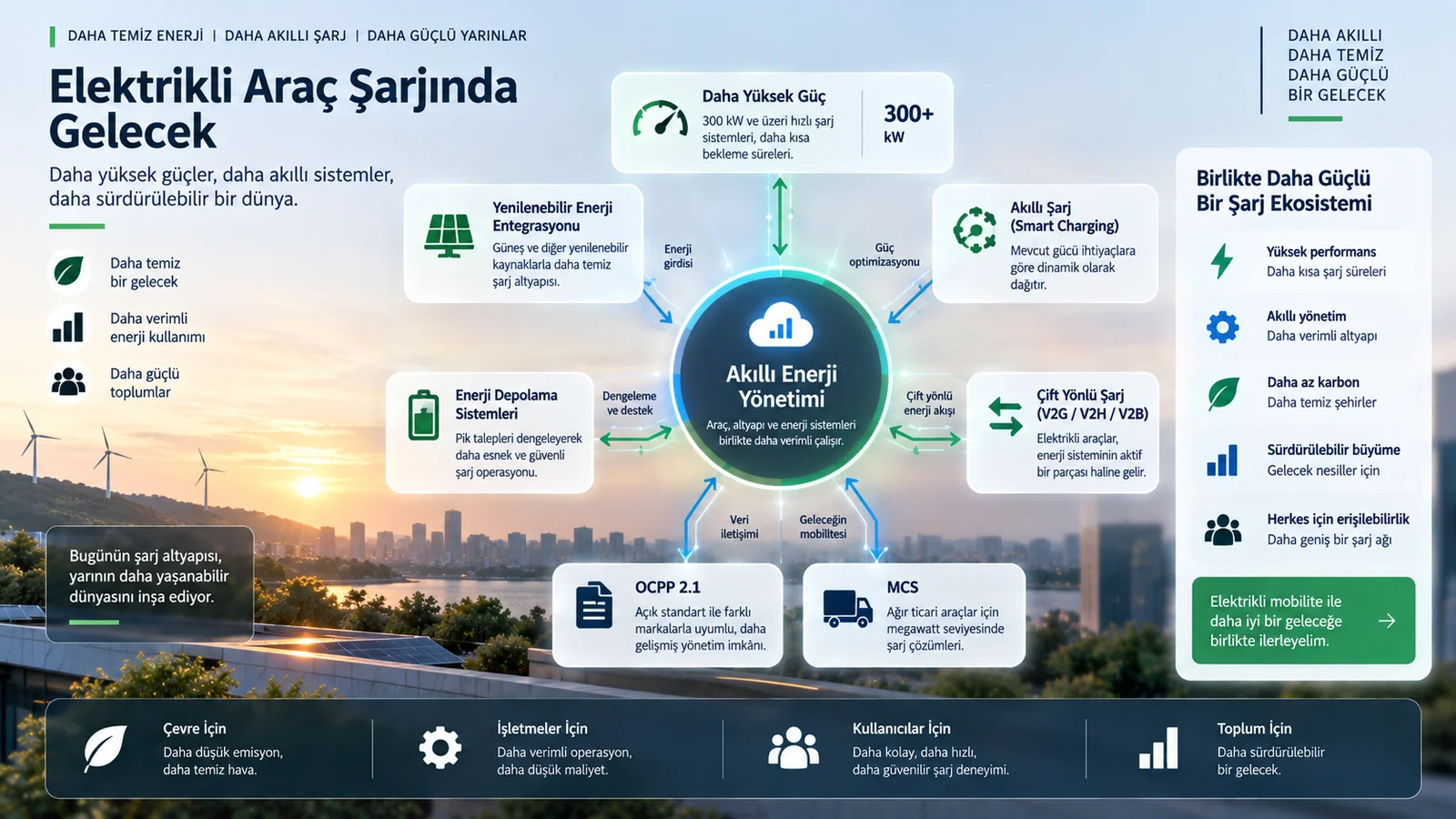
No. A powerful station does not guarantee a high charging rate throughout a session. Actual speed depends on factors such as:
- the vehicle’s maximum DC charging capability,
- battery state of charge and temperature,
- the battery management system’s request,
- battery architecture, and
- the station’s available capacity.
As the battery fills, the vehicle may reduce charging power for safety and battery longevity. A 180 or 300 kW station will not necessarily deliver that power for the entire session.
When does AC charging make sense?
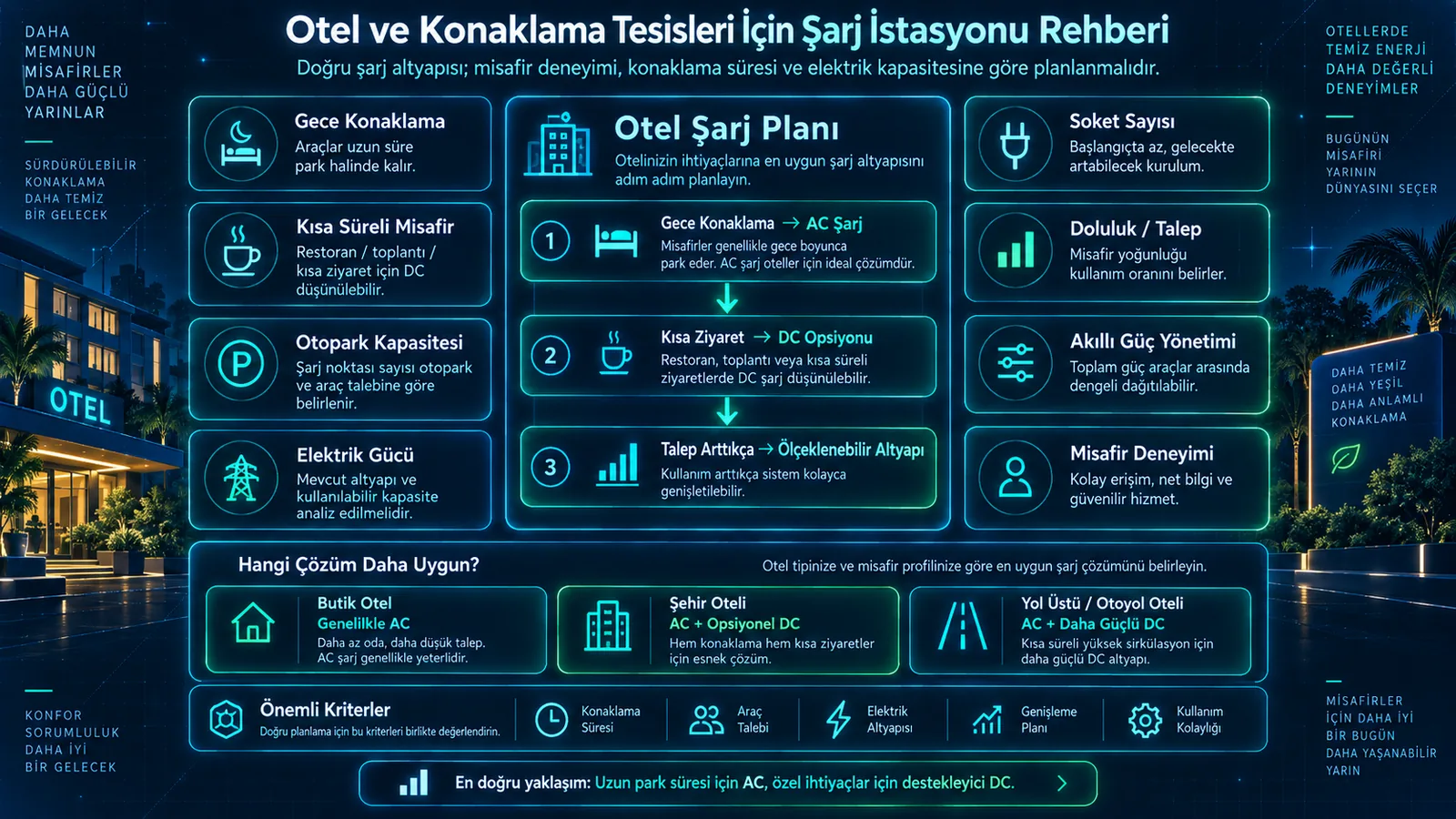
AC charging can be an economical and sufficient option where vehicles already remain parked for long periods.
Homes
If a vehicle is parked overnight, very high charging power may not be necessary.
Workplaces
AC can suit employees’ vehicles that stay in one place for six to eight hours.
Hotels
Guests’ vehicles may remain parked overnight.
Long-stay car parks
Where vehicles stay for several hours, fast DC charging is not always required. The aim is to provide enough energy during the parking period, not necessarily to charge as quickly as possible.
When does DC charging make sense?
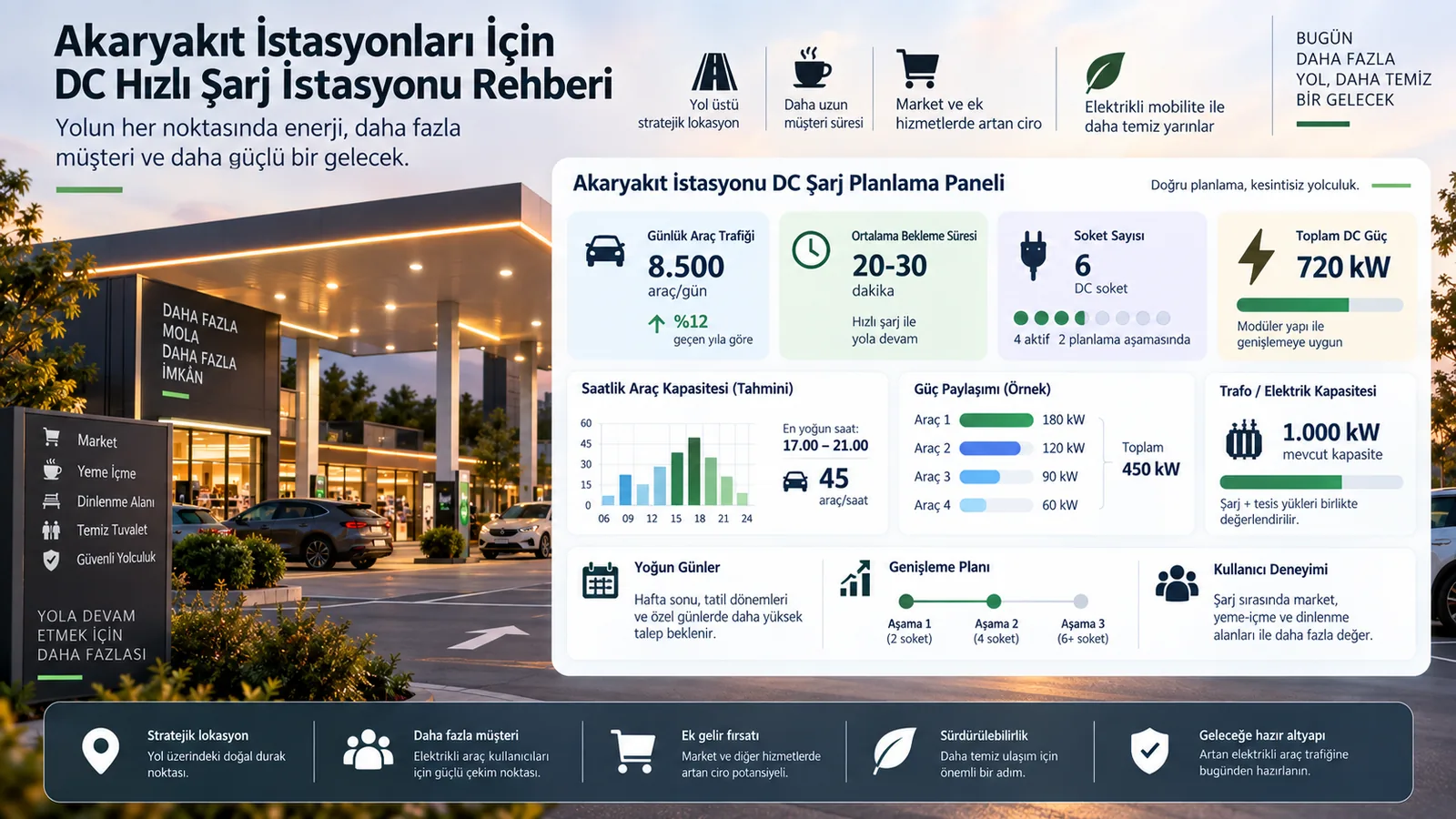
DC’s main advantage is delivering more energy during a shorter stop. It can therefore suit locations where drivers cannot wait for many hours.
Highways and intercity routes
Drivers want to continue their journey after a relatively short break.
Fuel stations
Existing visits are often built around short stops.
Rest stops
A 20–40 minute break can provide time for a meaningful energy top-up, depending on the vehicle and station.
Commercial charging sites
The operator may need a station to serve more vehicles during the day.
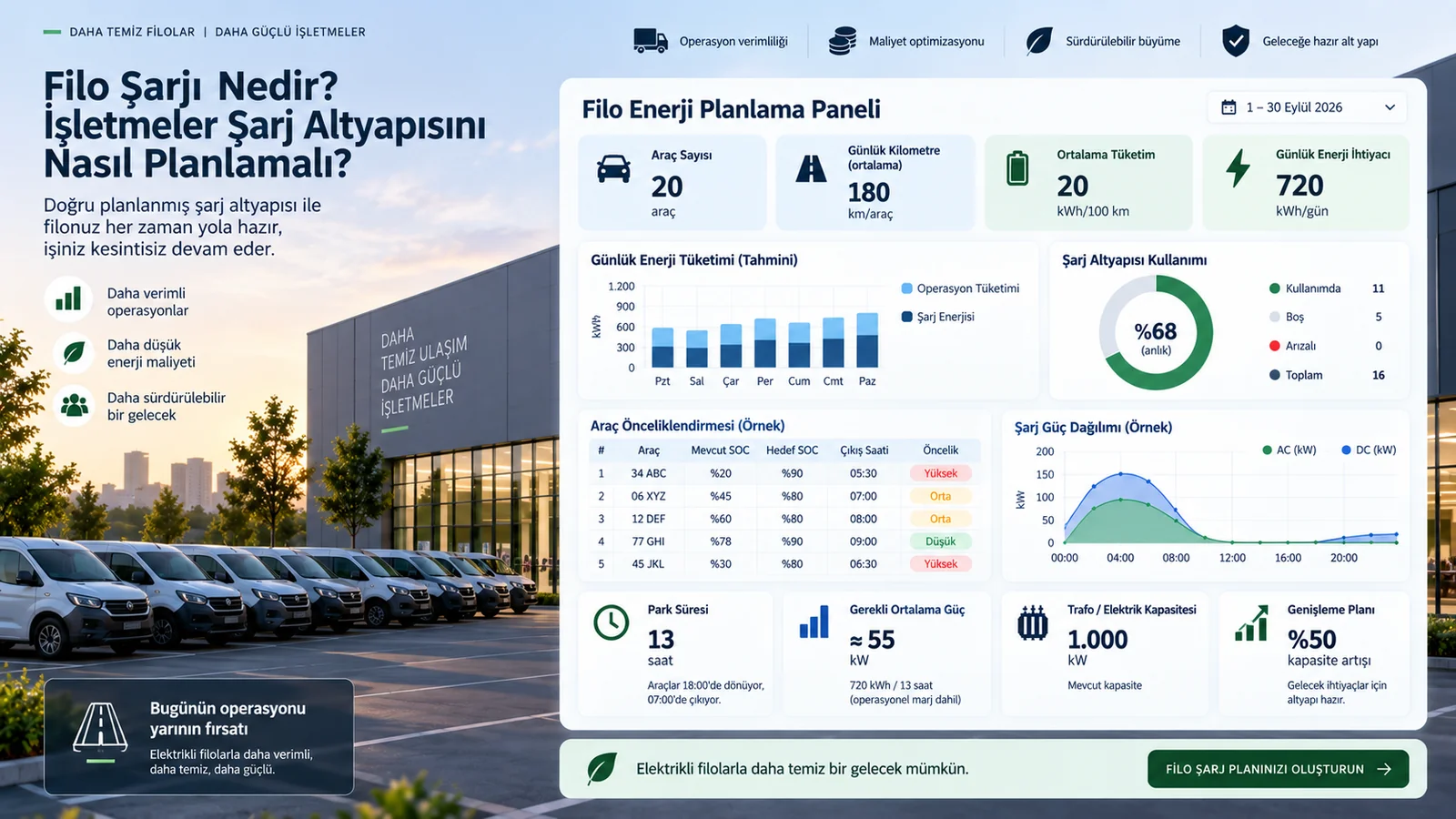
EV fleets
Long charging sessions can reduce operational efficiency when vehicles spend much of the day in service.
Should a business choose AC or DC?
Start with the use case rather than the device’s power rating. A shopping destination where customers stay for two hours has different needs from a roadside facility where they stop for 20 minutes.
Ask:
- How long do vehicles usually stay?
- How many vehicles are expected to charge each day?
- Do users expect fast charging?
- How much electrical capacity is available?
- How many vehicles will charge simultaneously?
- Will the service generate commercial revenue?
The answers are more useful than choosing a charger by its kW rating alone.
Can AC and DC be used together?
Yes. A mixed installation can serve different users at the same site. A large car park, for example, could provide AC points for long-stay vehicles and DC stations for drivers who need a faster top-up.
This can help use electrical capacity efficiently while meeting a wider range of charging needs.
Is the kW rating the only consideration when selecting a station?
No. Maximum power matters, but so do electrical infrastructure, vehicle mix, expected daily use, desired charging time, connector count, power sharing, communications, remote management, maintenance and service.
A very high-power DC station may be technically feasible but take longer than expected to pay back at a low-traffic site. Conversely, a low-power system at a busy location may create long waits.
Which is better: AC or DC?
The useful question is which method is better suited to the use case. AC can be sufficient and economical when vehicles stay parked for longer. DC is more appropriate when they need energy quickly before continuing their journey.
The right infrastructure brings together device power, site capacity, vehicle traffic and user behaviour.
Conclusion
AC and DC systems serve the same purpose through different methods. With AC charging, conversion happens inside the vehicle; with DC charging, it happens inside the station. That difference lets DC systems operate at much higher power, but high power is not necessary everywhere.
AC can suit homes, workplaces and long-stay parking. DC can better serve highways, fuel stations, rest stops and busy commercial sites. The best system is the one selected for the location’s real needs.
About the author
Charge Teknoloji
Charging Infrastructure Team
Charge Teknoloji develops locally manufactured DC charging stations and OCPP-compatible charging network software.
LinkedIn arrow_outwardBe the first to hear about updates
Follow new content on electric vehicles and charging technologies.