What Is an Electric Vehicle Charging Station and How Does It Work?
Learn what an EV charging station does, how AC and DC charging work, and what happens behind the scenes when a vehicle is connected.
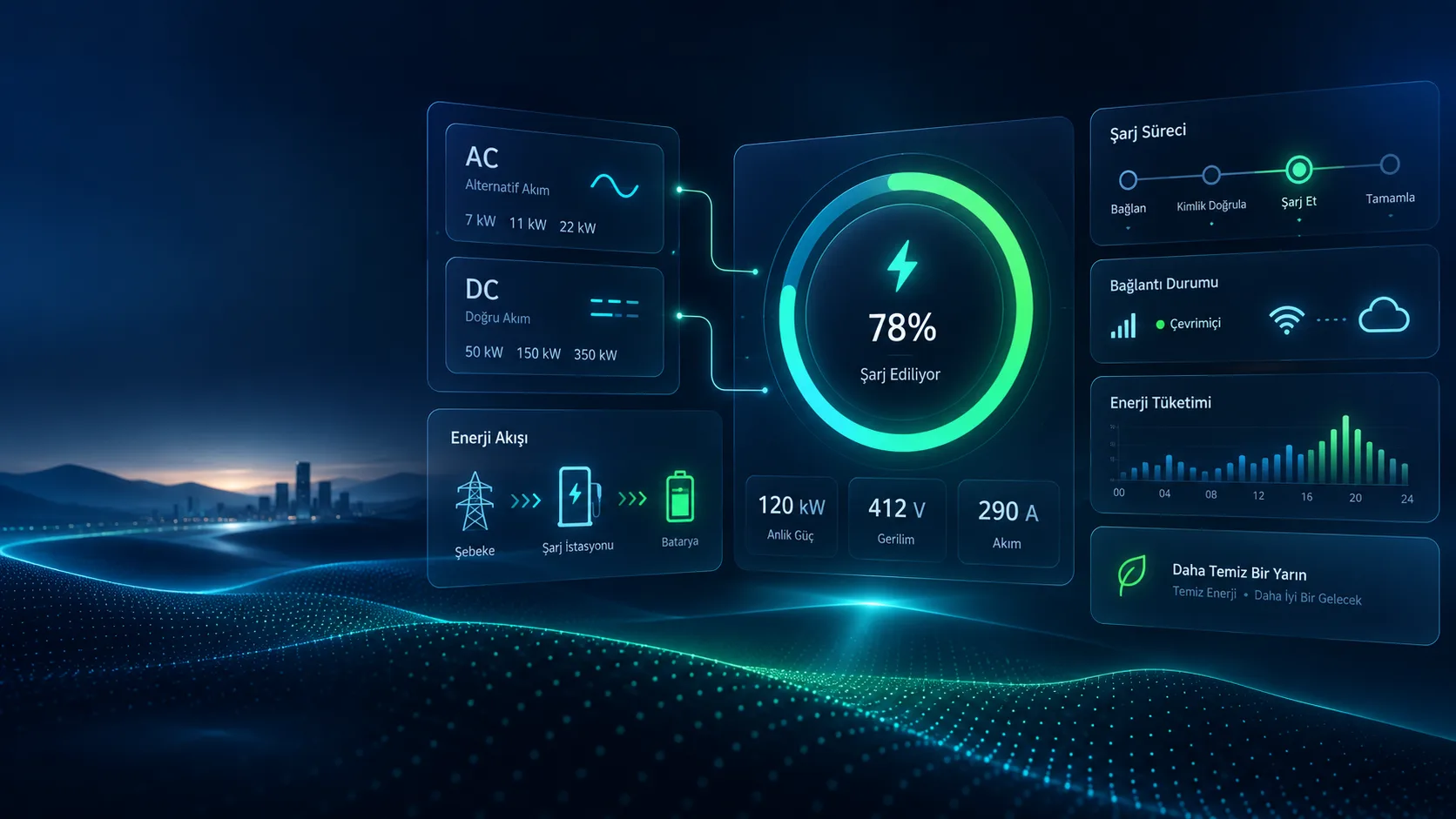
Table of contents
What Is an Electric Vehicle Charging Station and How Does It Work?
As electric vehicles become more common, charging stations are becoming part of everyday life. But describing a charging station as a device that simply supplies electricity to a car leaves out much of what it does.
Modern charging stations are electronic systems that communicate with the vehicle, control energy transfer, perform safety checks and monitor the charging session. So what exactly is an EV charging station, and what happens after a vehicle is plugged in?
What is an EV charging station?
An EV charging station is a system that transfers energy from the electrical grid to an electric vehicle’s battery safely and under controlled conditions.
Charging generally takes one of two forms:
- AC charging
- DC charging
The key difference is where the alternating current is converted into the direct current the battery needs.
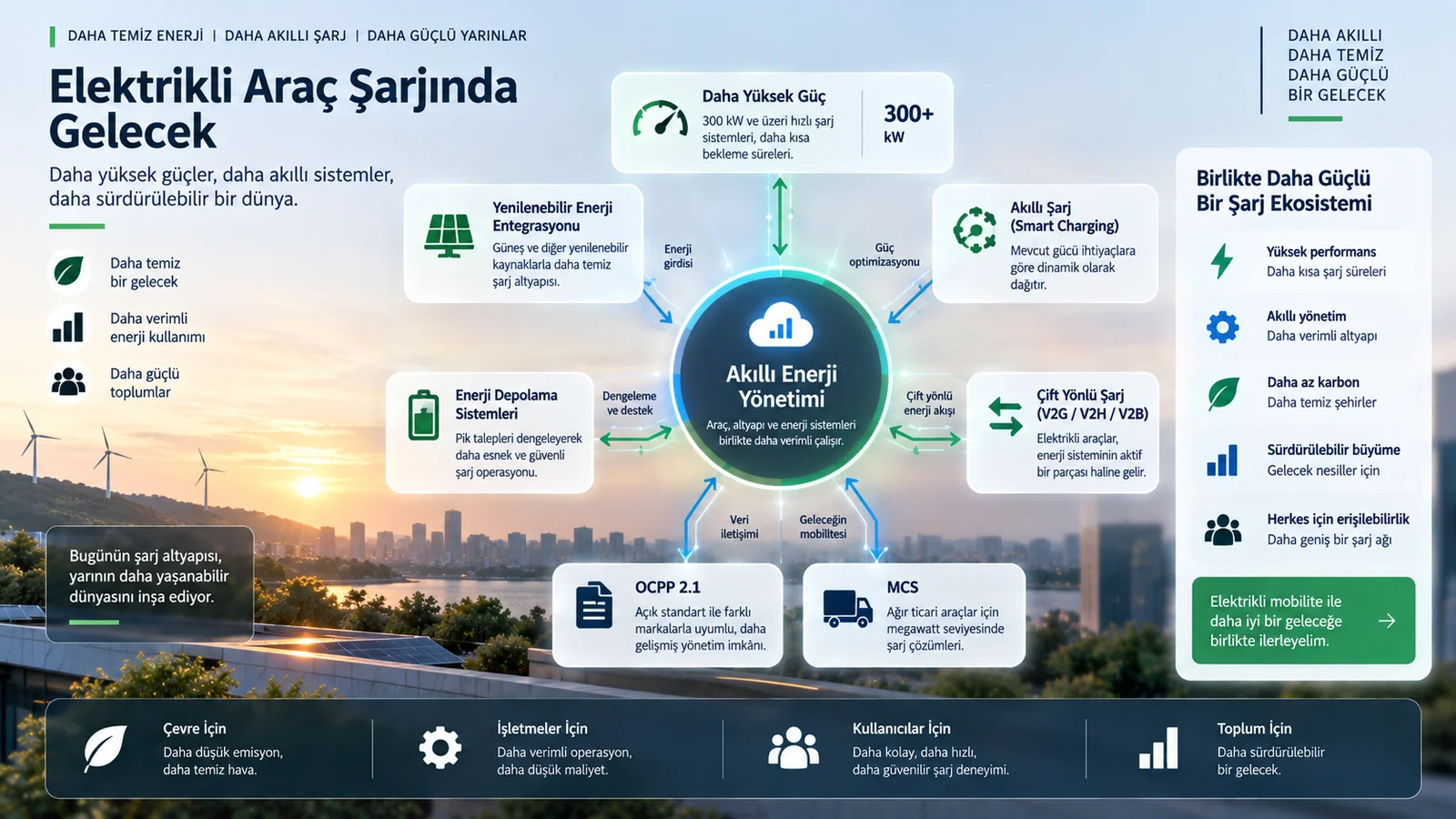
With AC charging, the vehicle’s onboard charger performs most of this conversion. With DC fast charging, power conversion takes place inside the charging station. The station can then deliver direct current to the battery and support much higher charging power.
How does an EV charging session start?
Energy does not begin flowing the moment an EV is plugged in. The vehicle and station first carry out several checks. In simplified terms, the process works like this:
1. The vehicle is connected to the charging station
When the charging cable is plugged into the vehicle, the station detects the physical connection.
2. The vehicle and station communicate
They exchange information needed for charging. Depending on the charging technology, the vehicle may communicate its requested voltage and current, battery status and permitted charging limits.
3. Safety checks take place
Before energy transfer begins, the system checks the conditions required by the charging technology. These can include the electrical connection, insulation, communication and other safety requirements.
4. Charging begins
Once the required checks are complete, the station starts transferring energy.
5. Communication continues throughout the session
The system does not necessarily deliver maximum power at a constant rate. The vehicle may request different power levels as its battery conditions change, so the actual charging power can vary over the session.
How does AC charging work?
AC stands for alternating current, the form of electricity supplied by the grid. An AC station supplies alternating current to the vehicle, while an EV battery stores energy as direct current, or DC.
During AC charging, electricity therefore passes through the vehicle’s onboard charger, which converts AC into DC before it reaches the battery.
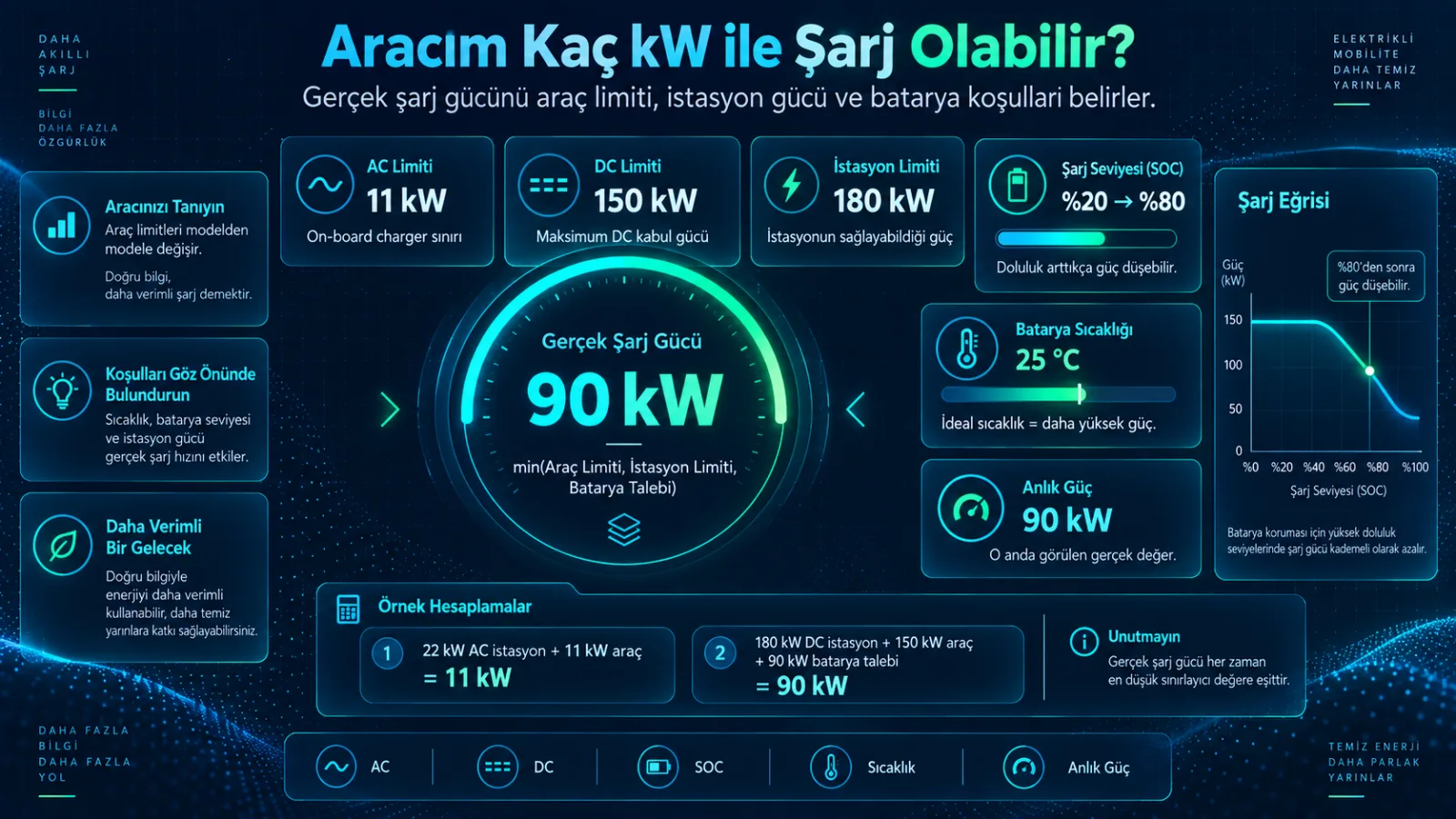
The onboard charger’s capacity matters. Even if an AC station can supply 22 kW, a vehicle that supports only 11 kW AC charging will generally charge at around 11 kW. Station power alone does not determine charging speed.
How does DC fast charging work?
In a DC fast charging station, the power conversion happens in the station rather than in the vehicle. Power electronics convert AC from the grid into DC, which is then supplied to the vehicle’s battery.
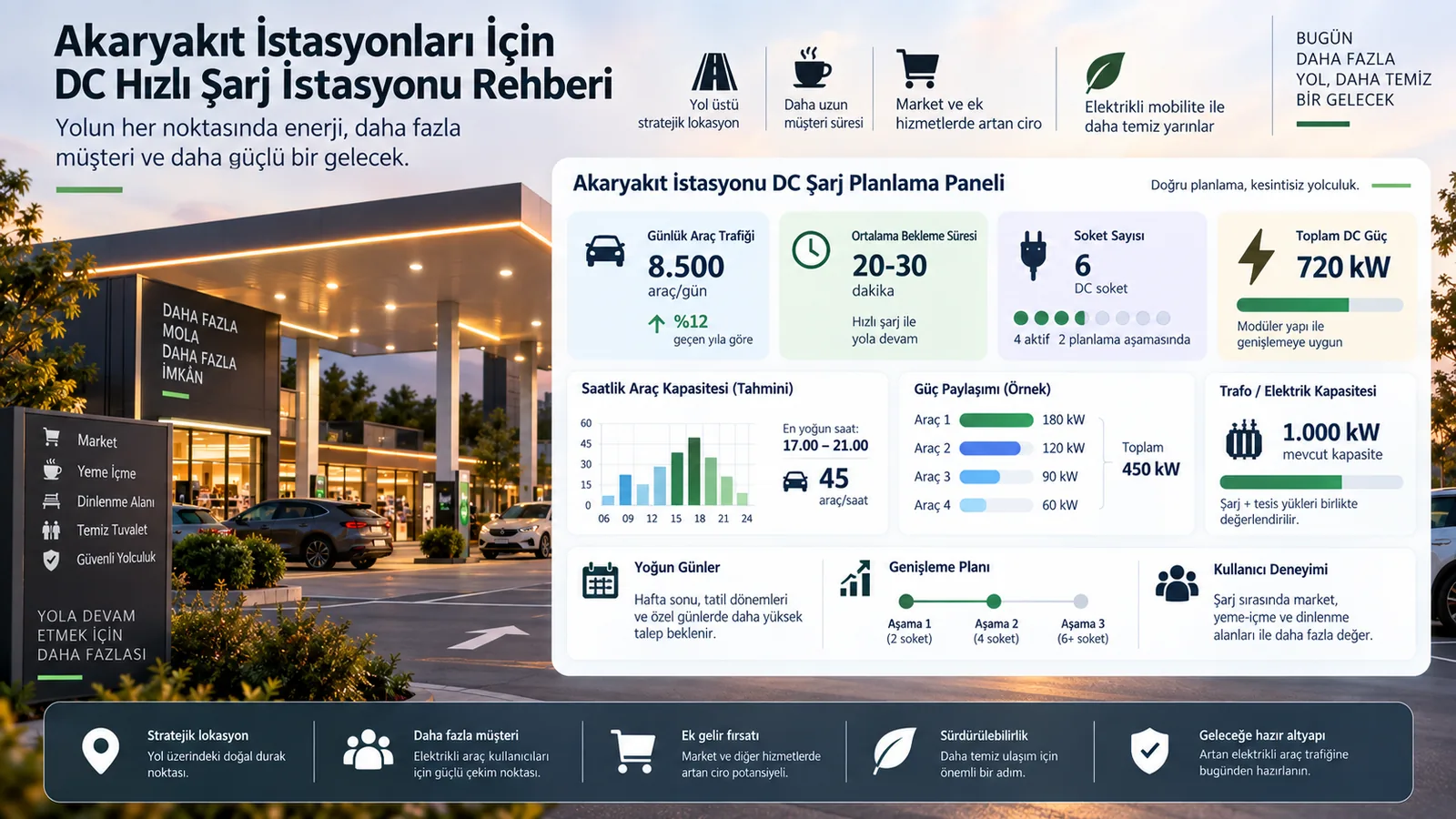
This bypasses the power limit of the vehicle’s onboard AC charger and can enable much higher charging power. That is why DC stations are often considered for places where a substantial amount of energy needs to be delivered during a shorter stop, such as:
- intercity routes,
- fuel stations,
- rest stops,
- busy locations, and
- commercial car parks.
What does a station’s power rating mean?
Charging-station power is usually expressed in kW (kilowatts). A station may be rated at 30, 60, 120 or 180 kW, for example. This rating does not mean that every connected vehicle will charge at that power.
Actual charging power depends on several factors, including:
- the vehicle’s maximum AC or DC charging capability,
- the battery’s state of charge,
- battery temperature,
- the battery management system’s request,
- the station’s available power, and
- the number of vehicles charging at the same time.
For example, a vehicle with a maximum DC charging capability of 100 kW will not reach 180 kW simply because it is connected to a 180 kW station. The vehicle and battery’s ability to accept energy at that moment is often the limiting factor.
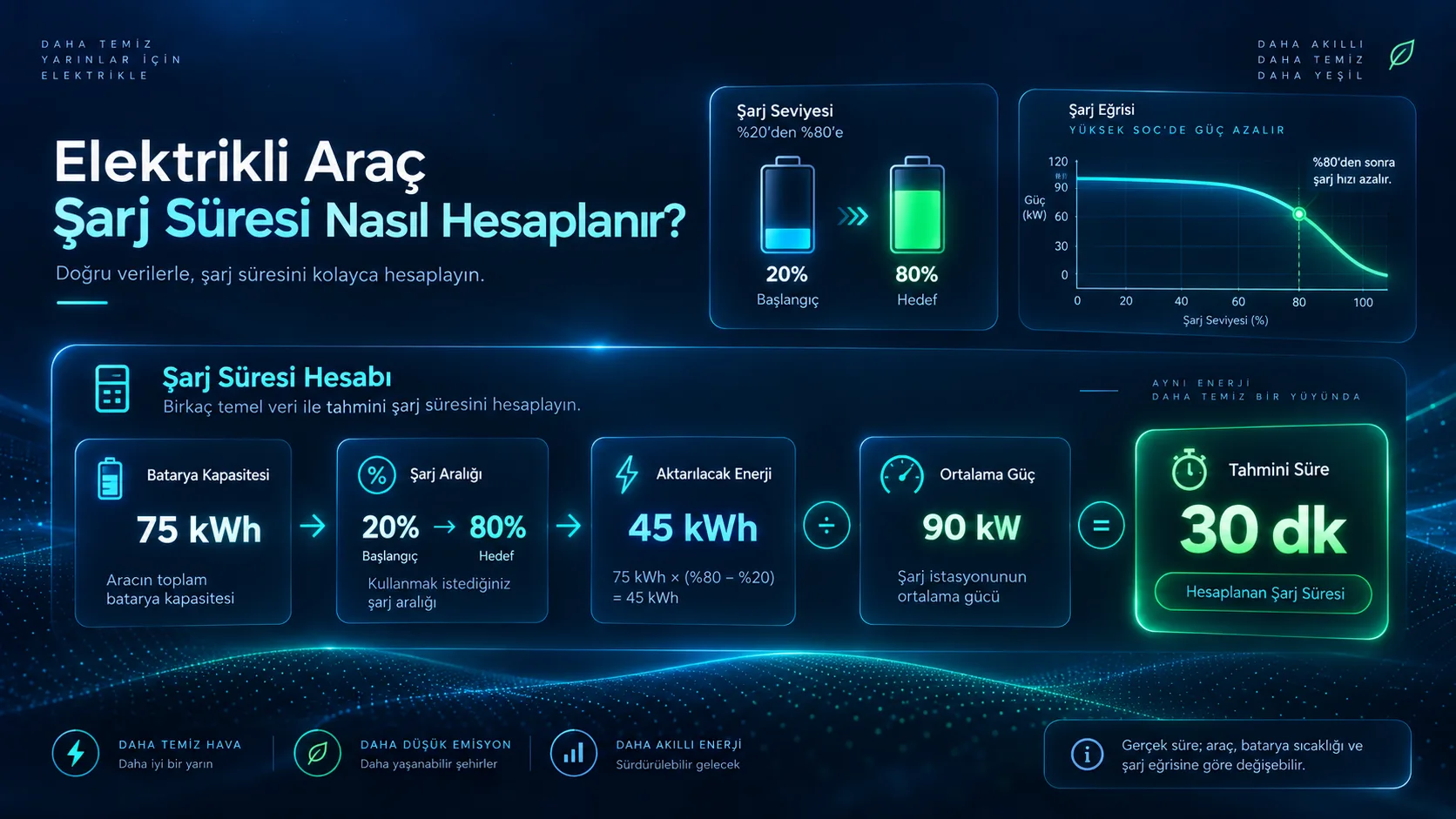
Why does charging power change during a session?
Charging power is generally not constant. During DC fast charging in particular, the vehicle requests different current and voltage levels from the station as battery conditions change.
A battery may accept higher power at a lower state of charge. As it fills, charging power may be reduced. Many vehicles slow down noticeably after the battery passes roughly 80% state of charge. This helps protect the cells and keep charging within safe limits.
It is therefore inaccurate to assume that a 180 kW station will continuously charge a vehicle at 180 kW.
How does the charging station communicate with the vehicle?
Modern EV charging systems maintain communication between the vehicle and the station. This is especially important with DC charging.
The vehicle communicates values such as requested voltage, current, battery status and charging limits. The station communicates the electrical values it can supply. This exchange allows energy transfer to remain controlled. In widely used fast-charging systems such as CCS, communication is a fundamental part of the process.
Does a charging station need an internet connection?
Many commercial charging stations communicate with a central management system. This lets operators monitor stations remotely and review information such as:
- whether a station is online,
- connector status,
- charging sessions,
- energy consumption, and
- fault conditions.
OCPP (Open Charge Point Protocol) is widely used for communication between charging stations and central systems. It can enable chargers from different manufacturers to connect to compatible charging-management platforms.
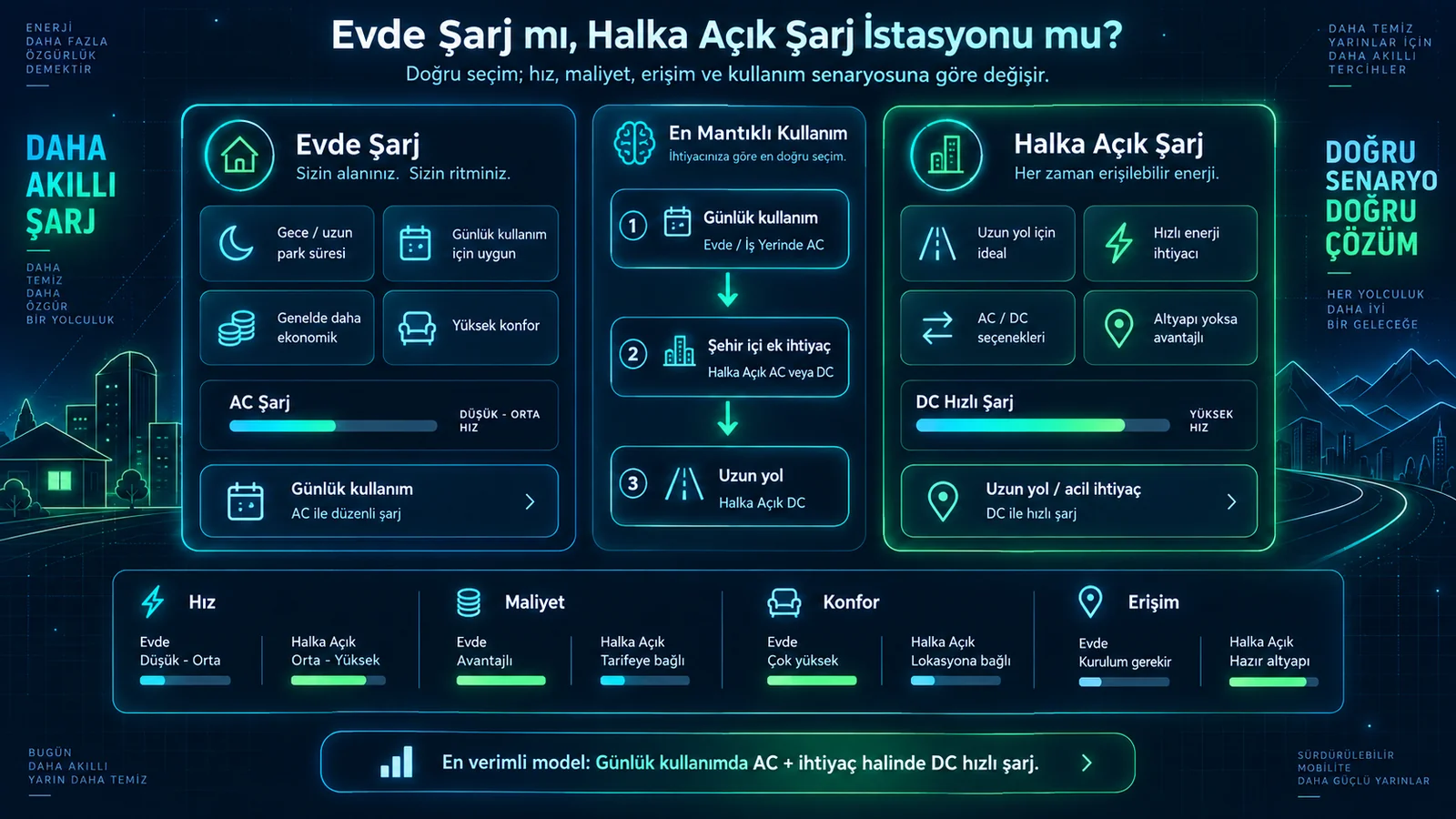
Should you choose AC or DC charging?
There is no single answer. The right choice depends on how the location will be used.
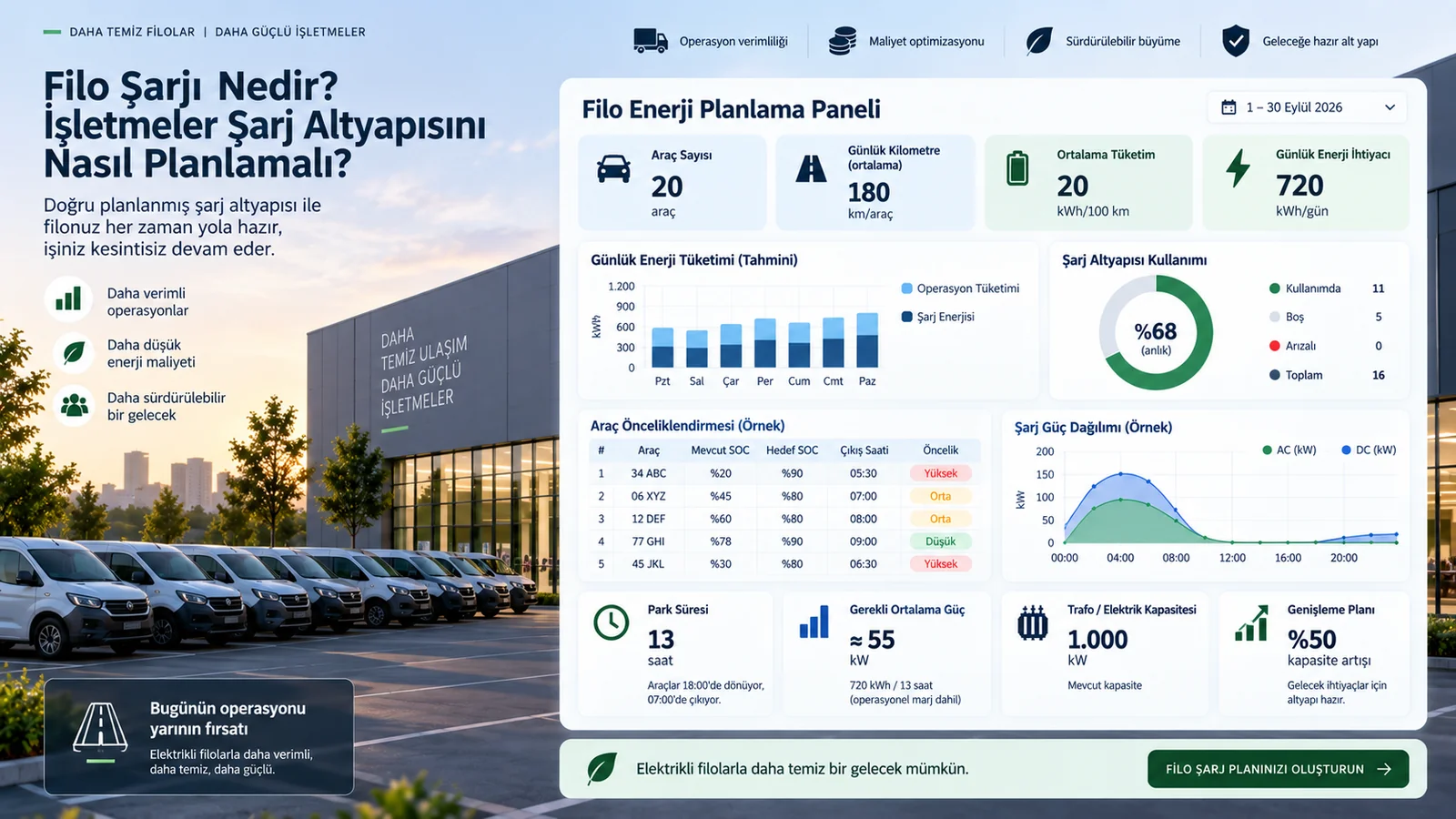
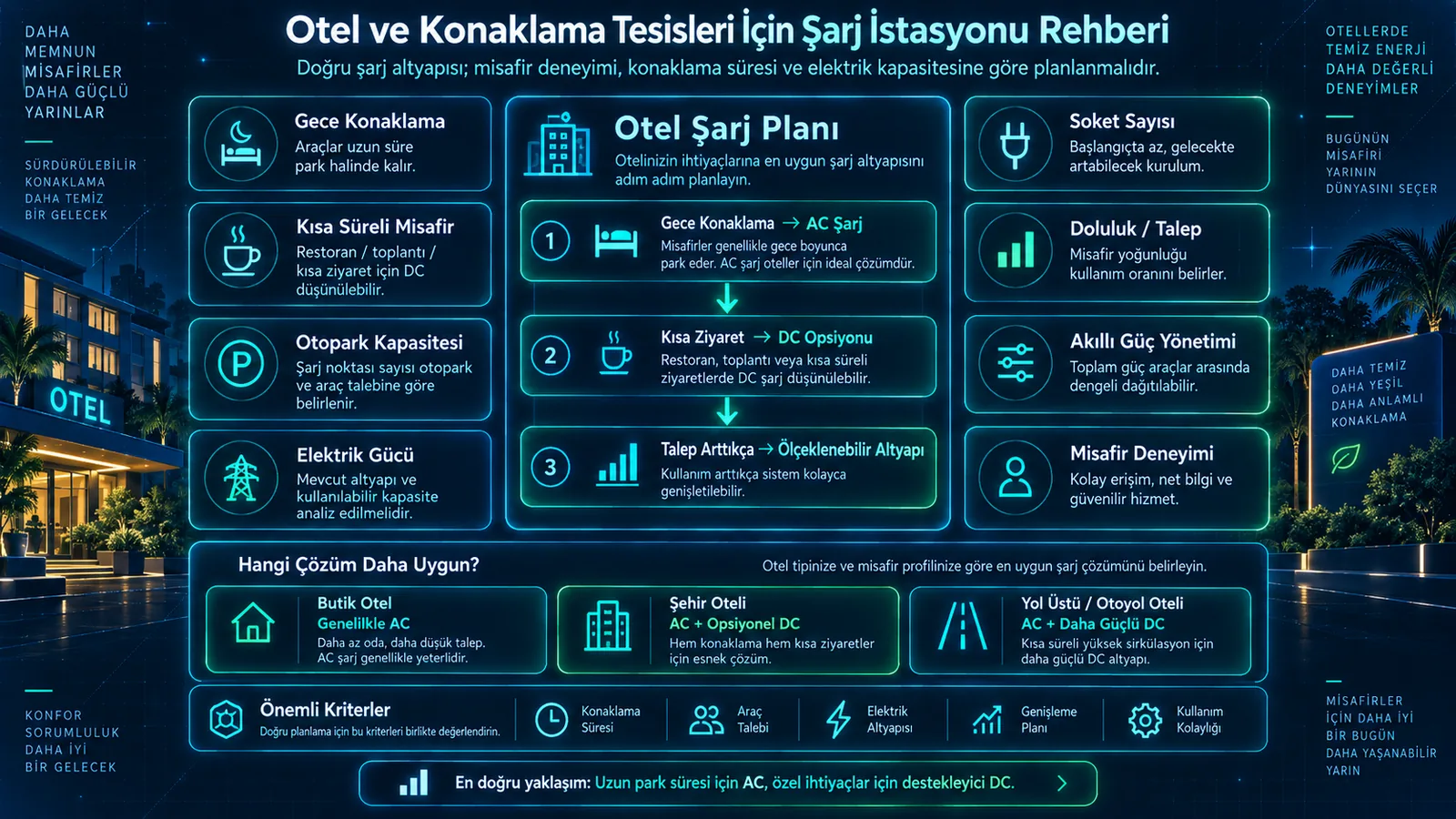
AC charging may be sufficient where vehicles remain parked for longer periods, including homes, workplaces, hotels and indoor car parks. DC fast charging may be more suitable where shorter stops are expected, such as intercity routes, fuel stations, rest stops and busy commercial locations.
When planning charging infrastructure, consider more than the charger’s rated power. The site’s electrical capacity, expected parking duration and daily charging demand also matter.
Conclusion
An EV charging station is more than a simple power supply. After a vehicle is connected, the systems communicate, perform safety checks, determine the energy the vehicle can accept and continue to control energy transfer throughout the session.
AC and DC charging use different approaches, but both aim to deliver energy to the battery safely and in a controlled way. When choosing a station for a location, assess the vehicle mix, parking duration, electrical infrastructure and expected daily charging traffic together rather than focusing only on the station’s maximum power.
About the author
Charge Teknoloji
Charging Infrastructure Team
Charge Teknoloji develops locally manufactured DC charging stations and OCPP-compatible charging network software.
LinkedIn arrow_outwardBe the first to hear about updates
Follow new content on electric vehicles and charging technologies.