The Benefits of Installing EV Chargers for Businesses
Explore how EV charging can support customer experience, visibility, fleet operations and revenue, and how to choose the right AC or DC installation.
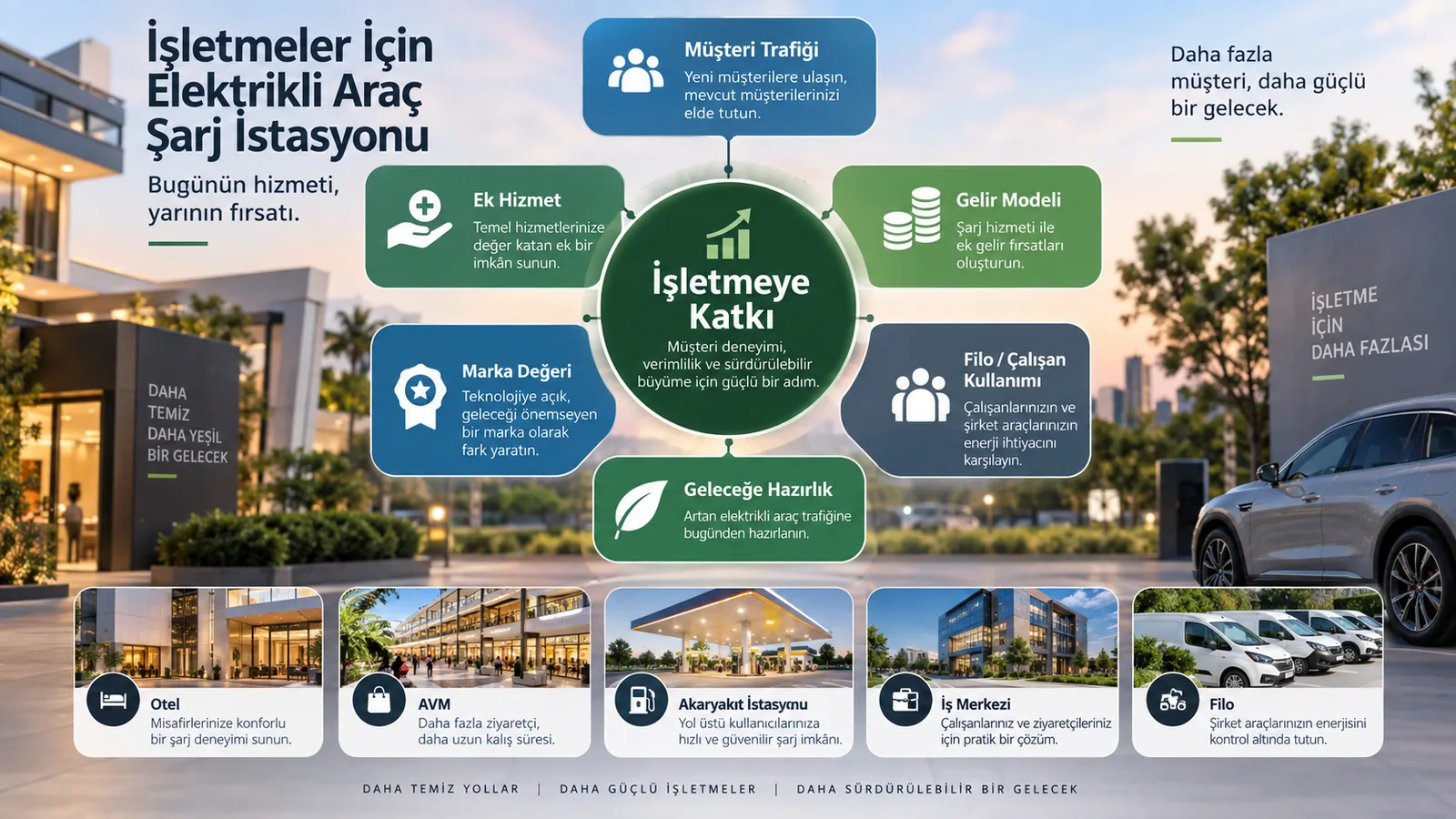
Table of contents
The Benefits of Installing EV Chargers for Businesses
An EV charging point can give customers a useful service while their vehicles are already parked. It may also help a business attract visitors, support its employees or fleet, and create a new source of revenue. None of these outcomes is automatic: the right equipment depends on parking duration, demand, electrical capacity and how the service will be operated.
Customer experience and visibility
Drivers looking for a charging point may discover a hotel, restaurant, shopping centre or fuel station they would otherwise have passed. Charging can make a visit more convenient, particularly when it fits naturally into the time a customer spends there. It can also encourage a longer stay, although charging alone does not guarantee additional sales.
A site can offer charging as a paid service, include it as a customer benefit or use a combination of models. The operator should evaluate utilization, electricity procurement, software, maintenance and the price customers are willing to pay before projecting revenue.
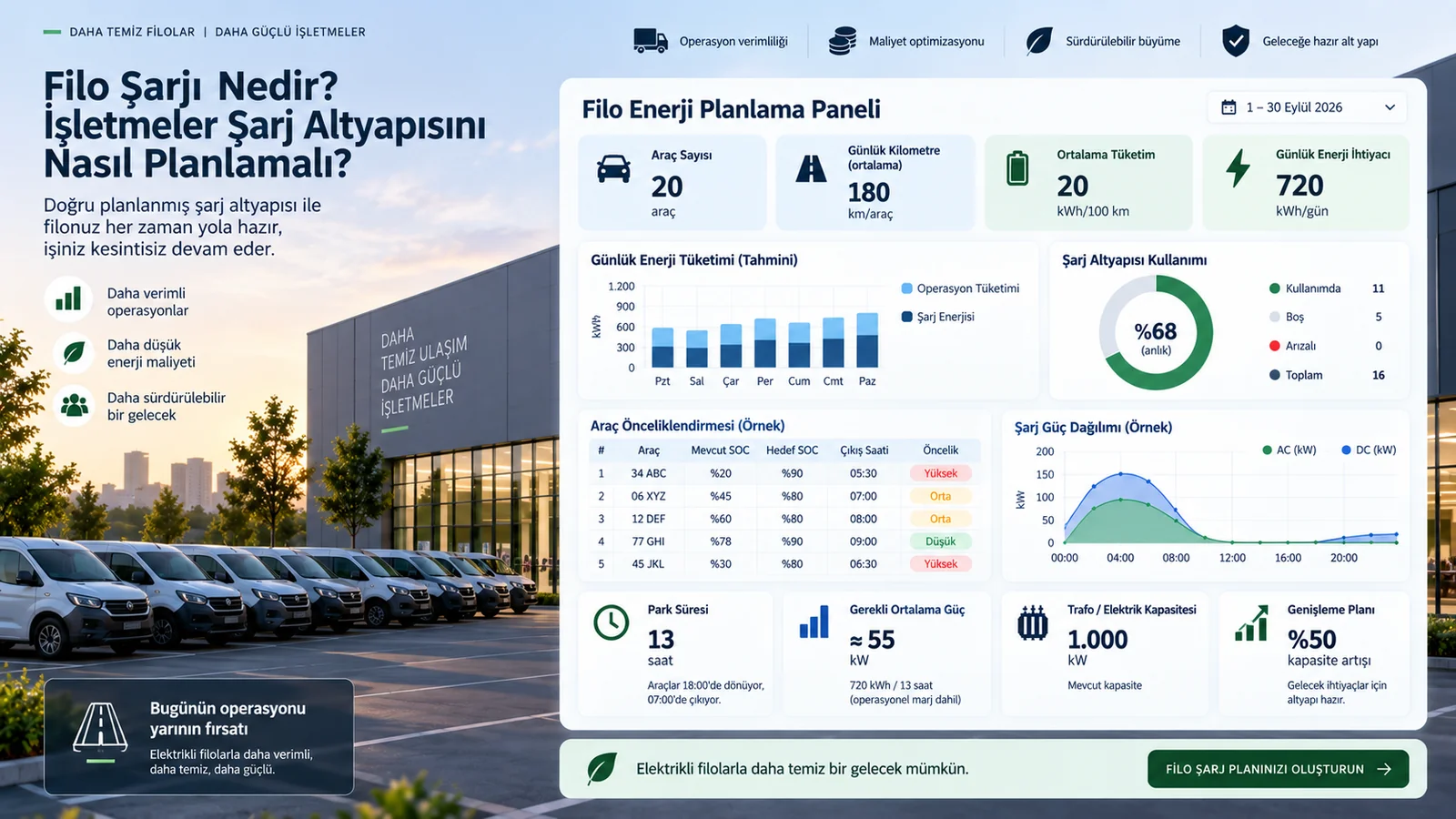
Employees and company vehicles are another use case. Workplace AC charging can cover a routine day’s driving while vehicles remain parked. Fleet charging may require scheduled charging, vehicle identification and reporting by vehicle.
Match AC or DC power to the length of a visit
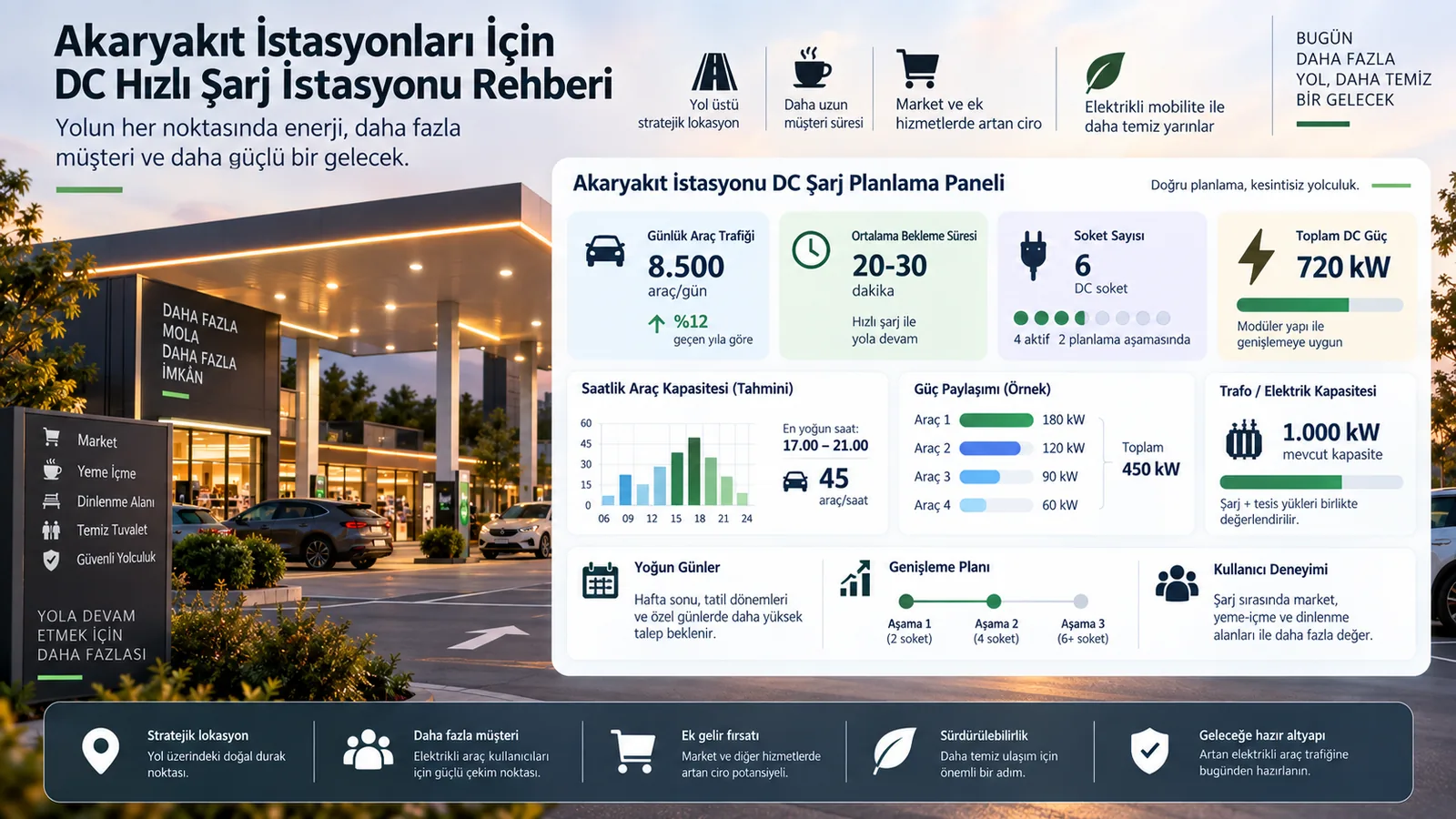
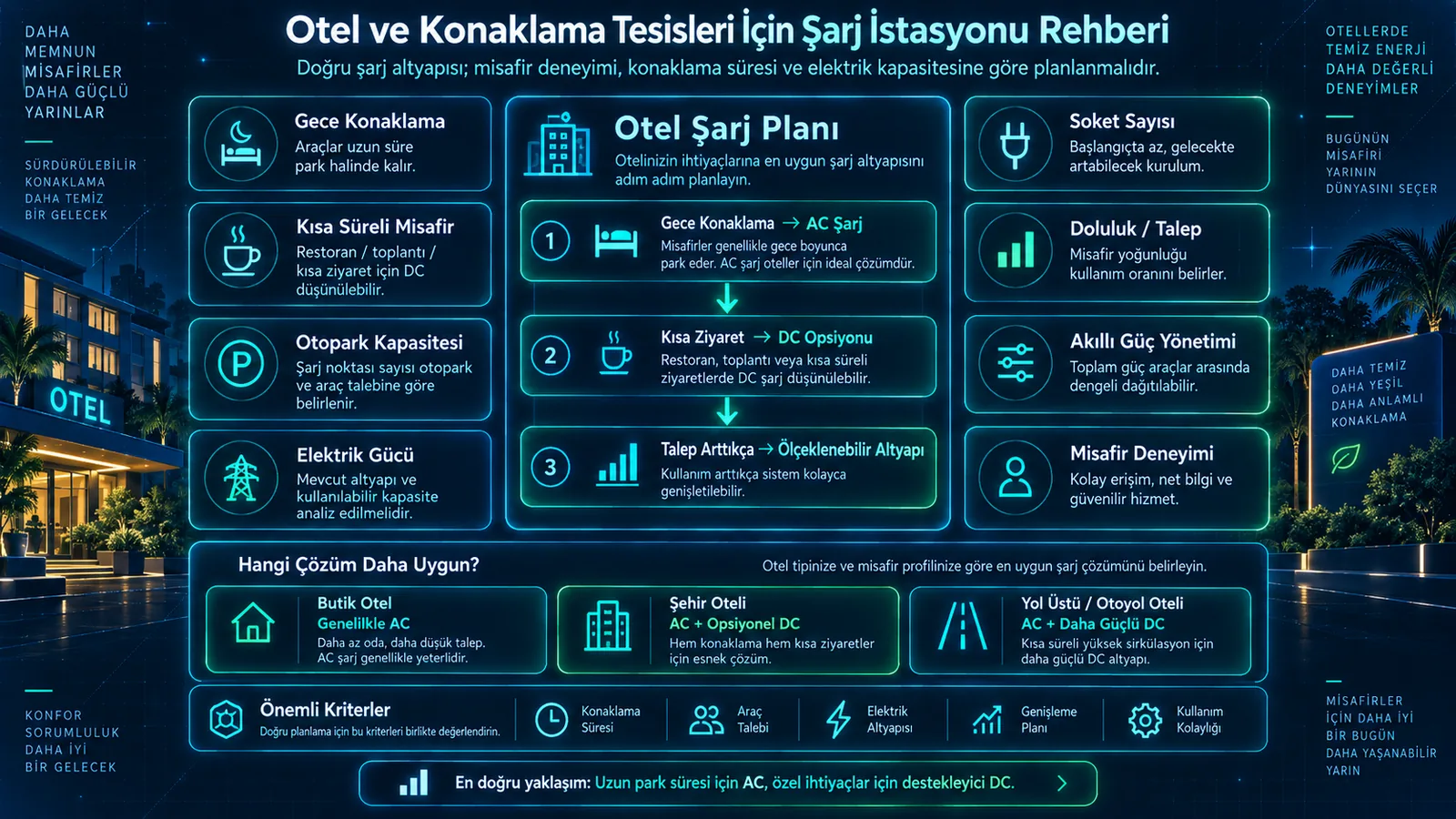
A car might stay at a restaurant for an hour, a shopping centre for two or three hours, or a hotel for eight to twelve hours. A long stay can make AC charging appropriate; a customer who needs to leave after 15–30 minutes may need DC fast charging.
Suppose a driver needs 30 kWh. At a constant 11 kW, the theoretical time is 30 ÷ 11 ≈ 2 hours 44 minutes. At a constant 60 kW, it would be 30 minutes. Actual charging power and time depend on the car and charging conditions. The fastest device is not necessarily the best investment when customers routinely remain parked for hours.
| Business | Indicative parking time | Option to evaluate |
|---|---|---|
| Hotel | 8–12 hours | AC |
| Workplace | 6–9 hours | AC |
| Shopping centre | 1–4 hours | AC and/or DC |
| Restaurant | 1–2 hours | AC or moderate-power DC |
| Fuel or motorway stop | Short stop | DC |
These are planning examples, not fixed equipment specifications.
Start with the site’s electrical capacity
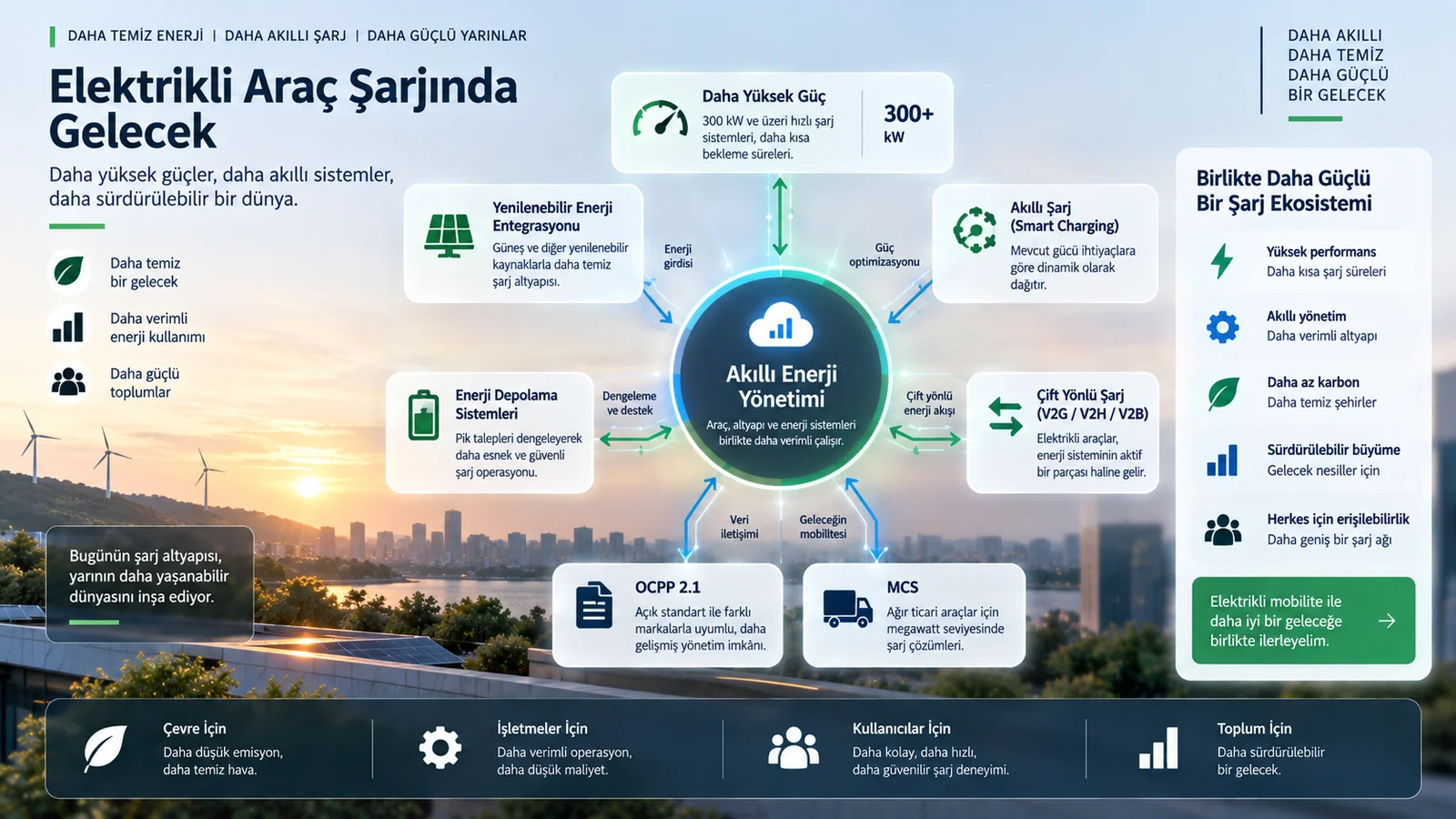
Ten 22 kW AC points have 220 kW of combined nameplate power, but vehicles may not all need full power at the same time. If the site can allocate only 80 kW to charging, a managed system can distribute that capacity across active sessions. Buying a 320 kW charger does not solve a site with only 100 kW of spare capacity.
Power sharing also matters for multi-connector DC equipment. On a 180 kW dual-connector system, one car requesting 120 kW and another requesting 40 kW may both be served within the total limit, subject to the equipment’s capabilities. The available capacity can be reassigned as their demand changes.
Measure demand and plan the operation
The number of charging bays, their location, cable reach, accessibility, signs and protection all influence use. A charger that is difficult to find or frequently out of service will deliver little value. Remote monitoring, maintenance and clear customer support should be part of the plan.
Look beyond rated power when evaluating returns. A 320 kW charger used by one car a day may perform worse economically than a 120 kW unit used throughout the day. Track sessions, energy delivered, bay occupancy, waiting time and uptime. An OCPP-capable system can help with central management, but integration should be tested.
Start by collecting parking duration, visitor and vehicle volumes, likely EV demand, existing electrical capacity and expansion plans. Prepare cable routes and space for future points where practical. The goal is a charging service that matches the business’s real customers and can grow as demand becomes clearer.
About the author
Charge Teknoloji
Charging Infrastructure Team
Charge Teknoloji develops locally manufactured DC charging stations and OCPP-compatible charging network software.
LinkedIn arrow_outwardBe the first to hear about updates
Follow new content on electric vehicles and charging technologies.